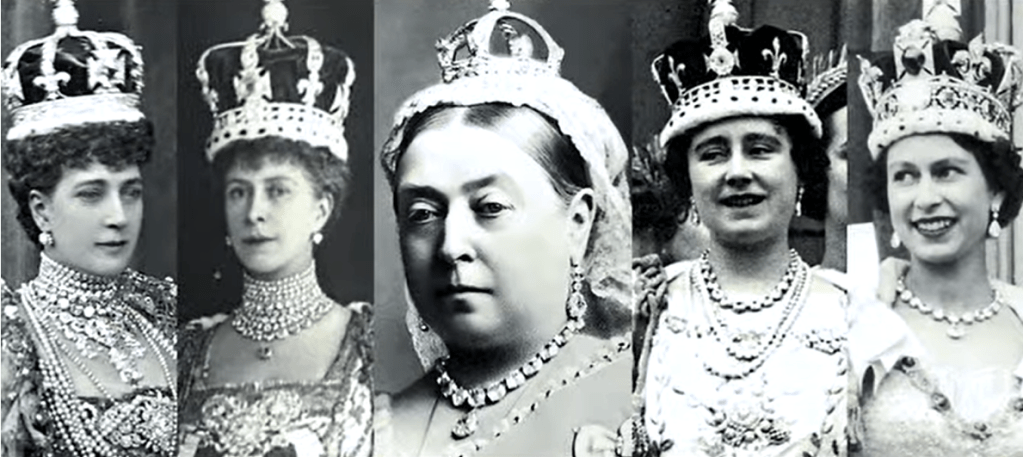
On this day in 1953, the coronation of Queen Elizabeth II took place in Westminster Abbey. The first such ceremony to be televised, it gave her subjects the rare opportunity to see their new monarch resplendent in the robes and jewels of state — including the impressive Coronation Necklace and Earrings.
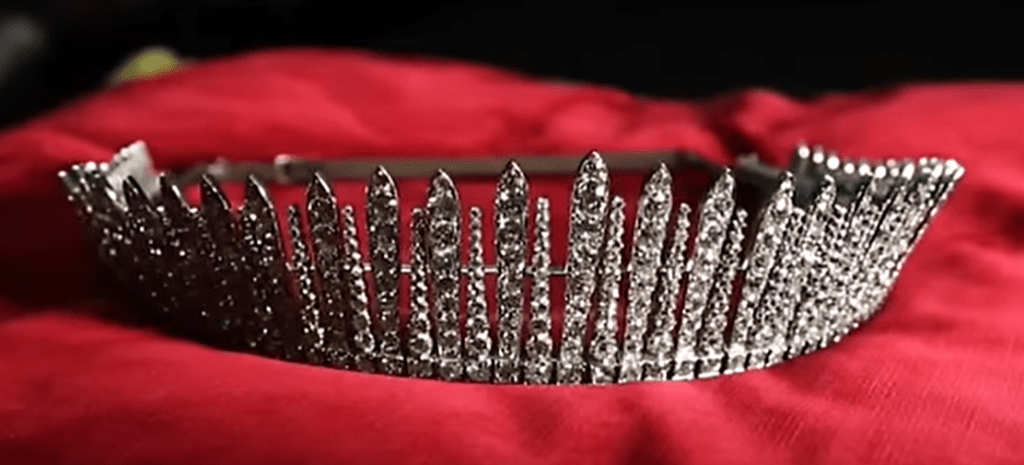
While tickets to the V&A’s Cartier exhibition are currently harder to get hold of than one of Mr Wonka’s golden tickets, thankfully it isn’t the only place in town to indulge your love of all things sparkly. Earlier this month I was lucky enough to visit Kensington Palace, and on display there are several tiaras, two of which are probably in my top ten – yes, I have a top ten tiaras, no judgement please! There was also a third tiara that, though reminiscent in style of other well-known pieces, was completely new to me.
Born on November 26, 1869, at Marlborough House, Maud Charlotte Mary Victoria—known as Princess Maud of Wales—was the youngest daughter and fifth child of Edward VII and Queen Alexandra. Among her godparents were King Charles XV of Sweden and Tsarina Maria Feodorovna of Russia.
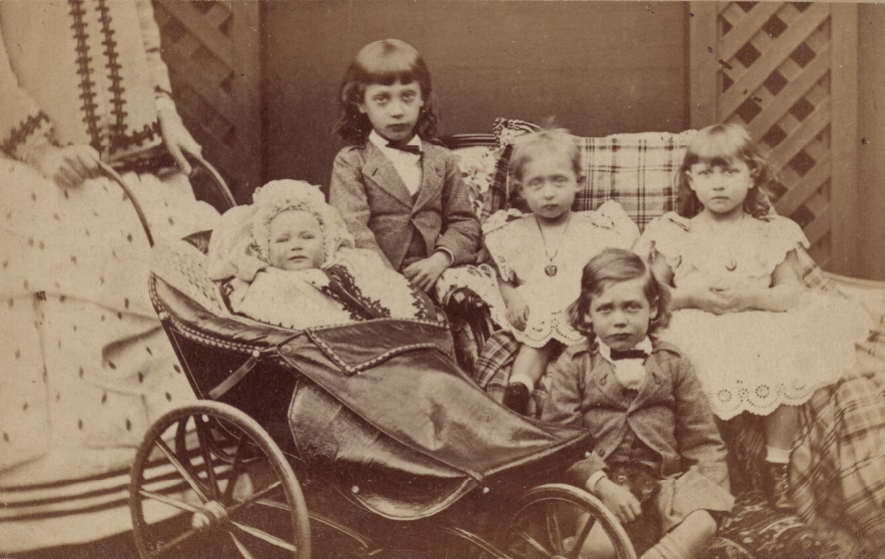
Maud as a baby with her four siblings, Prince Albert Victor, Princess Victoria, Princess Louise, and Prince George
With such close ties to European royalty, it was only natural that she attended multiple coronations throughout her lifetime. Fortunately, many of the gowns she wore to these historic events have been preserved and later donated to the National Museum of Norway by her son, King Olav V. Known for her impeccable elegance and style, Queen Maud left behind a remarkable fashion legacy. Let’s take a closer look at the coronation gowns of Norway’s first queen.
On this day in 1863, Princess Alexandra of Denmark, eldest daughter of the heir to the Danish throne, married Prince Albert Edward, the Prince of Wales.
Not quite a tiara, I know! But probably the most well known ‘sparkler’ in the royal collection, and thoroughly worthy of this inaugural ‘Tiara Tuesday’ post.
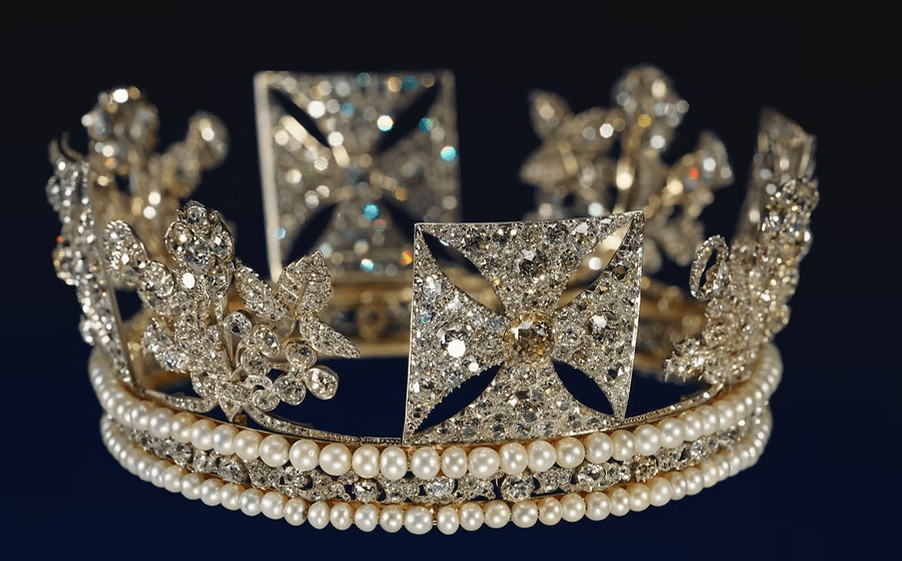
Instantly recognisable to many as the iconic crown featured on Queen Elizabeth II’s image on coins and stamps, this remarkable piece of jewellery was originally created for the coronation of George IV. It was designed for him to wear over his Cap of Estate during the procession to Westminster Abbey.
Prince Albert is remembered for many things – his interest in science and farming, his patronage of the arts, and the personal triumph that was the Great Exhibition – but what not enough people talk about, outside of already interested circles, is his fantastic eye for jewels.

 Mistress of the Robes