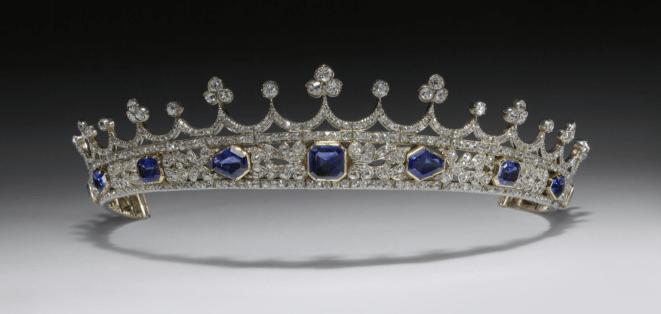
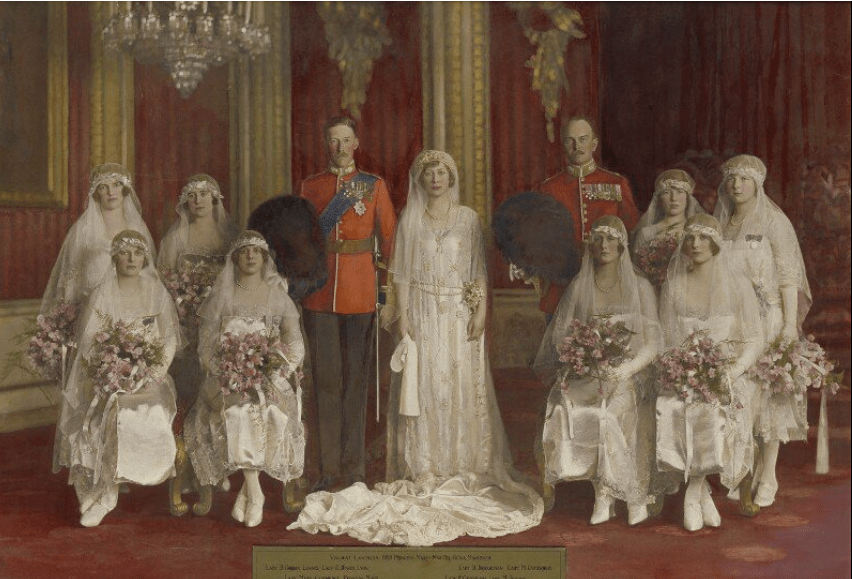
On 28th February, 1922, Princess Mary married Viscount Lascelles, the future 6th Earl of Harewood, in Westminster Abbey. Among the wedding gifts displayed at St James’s Palace was a jewel that linked the bride to her great-grandmother: Queen Victoria’s sapphire and diamond coronet, presented to their only daughter by King George V and Queen Mary.
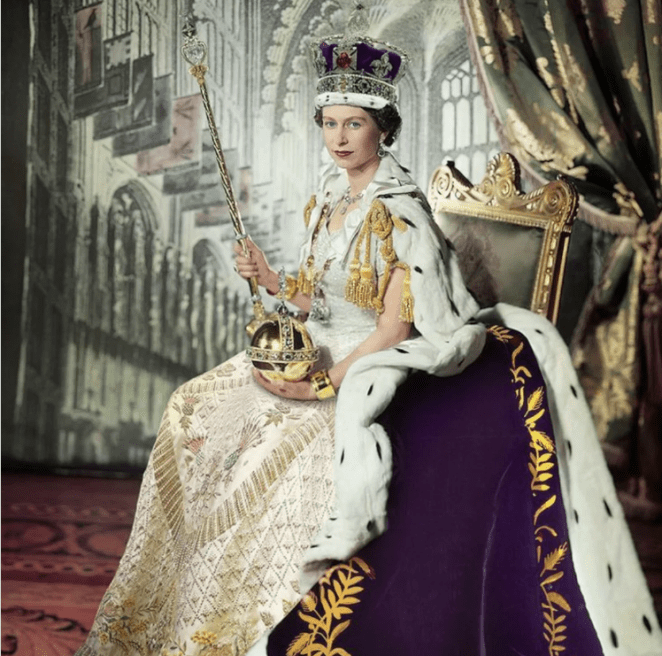
On 2 June 1953, the world watched in awe as Queen Elizabeth II was crowned in Westminster Abbey. At just 27 years old, she stood at the centre of a ceremony steeped in a thousand years of tradition – a glittering pageant of symbolism, sanctity, and sovereignty. Her coronation was the first to be broadcast on television, allowing millions around the world to witness the splendour from their living rooms.
On this day in 1953, the coronation of Queen Elizabeth II took place in Westminster Abbey. The first such ceremony to be televised, it gave her subjects the rare opportunity to see their new monarch resplendent in the robes and jewels of state — including the impressive Coronation Necklace and Earrings.
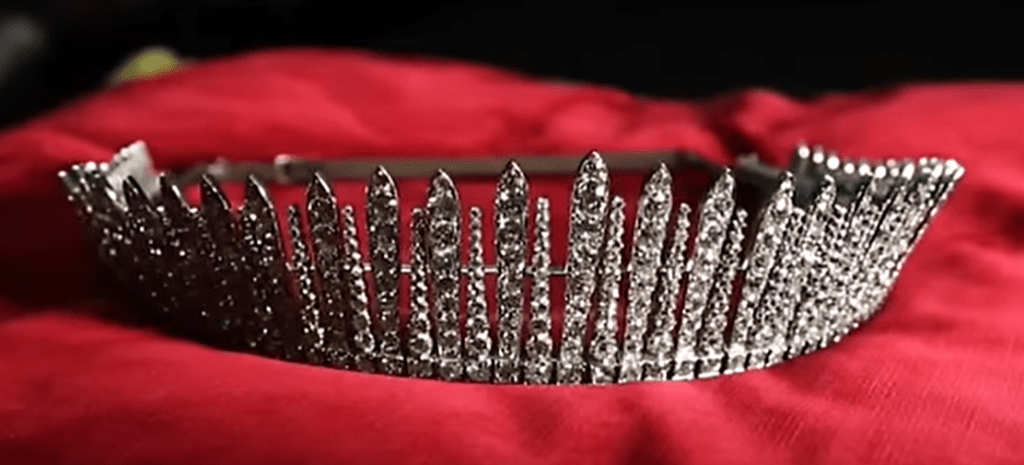
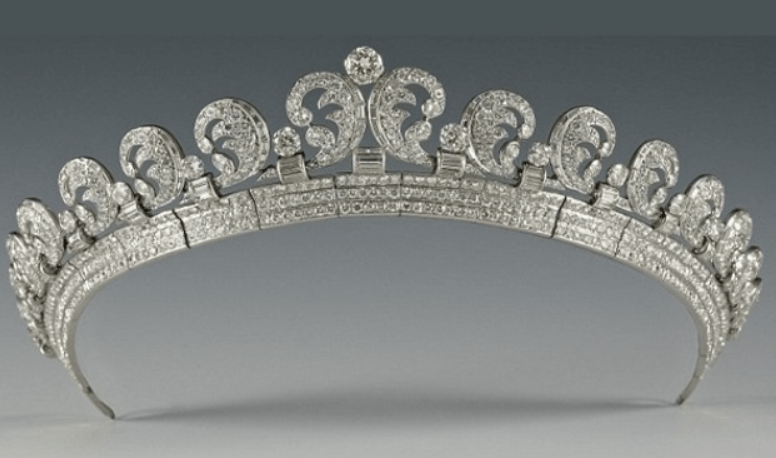
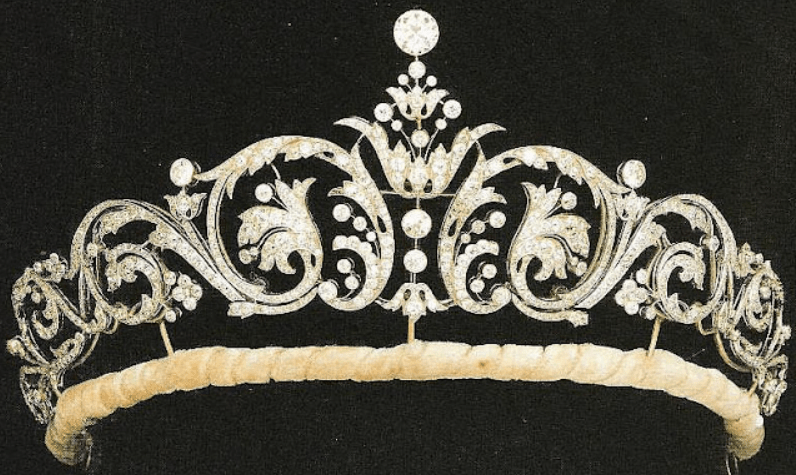
While tickets to the V&A’s Cartier exhibition are currently harder to get hold of than one of Mr Wonka’s golden tickets, thankfully it isn’t the only place in town to indulge your love of all things sparkly. Earlier this month I was lucky enough to visit Kensington Palace, and on display there are several tiaras, two of which are probably in my top ten – yes, I have a top ten tiaras, no judgement please! There was also a third tiara that, though reminiscent in style of other well-known pieces, was completely new to me.
When she emerged from that Rolls-Royce Phantom VI at the Abbey’s West Door on 29th April 2011, Kate Middleton wasn’t just wearing a beautiful custom Alexander McQueen dress — she was also showcasing a stunning tiara that hadn’t been seen in public for almost 40 years.
Of all the stunning tiaras in the royal vault, there was one which Queen Elizabeth II favoured above all the others. The Vladimir Tiara is one of the most iconic and fascinating pieces of royal jewellery, with a storied history that spans the Russian Imperial family and the British monarchy.
Born on November 26, 1869, at Marlborough House, Maud Charlotte Mary Victoria—known as Princess Maud of Wales—was the youngest daughter and fifth child of Edward VII and Queen Alexandra. Among her godparents were King Charles XV of Sweden and Tsarina Maria Feodorovna of Russia.
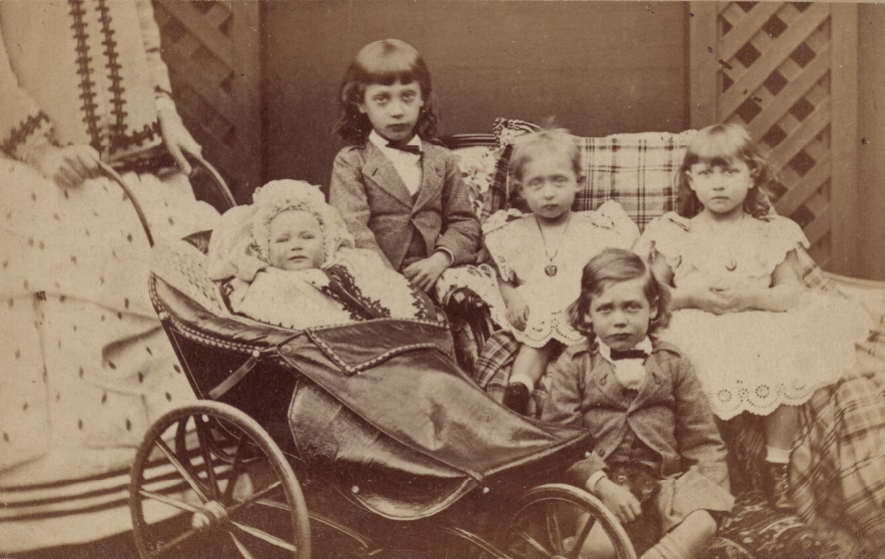
Maud as a baby with her four siblings, Prince Albert Victor, Princess Victoria, Princess Louise, and Prince George
With such close ties to European royalty, it was only natural that she attended multiple coronations throughout her lifetime. Fortunately, many of the gowns she wore to these historic events have been preserved and later donated to the National Museum of Norway by her son, King Olav V. Known for her impeccable elegance and style, Queen Maud left behind a remarkable fashion legacy. Let’s take a closer look at the coronation gowns of Norway’s first queen.
On this day in 1863, Princess Alexandra of Denmark, eldest daughter of the heir to the Danish throne, married Prince Albert Edward, the Prince of Wales.
When she entered Westminster Abbey on 23rd July, 1986, Sarah Ferguson had a crown of gardenias perched on her flame-coloured locks – reportedly chosen as they were Prince Andrew’s favourite flower. When she emerged an hour later, the flowers were gone, removed shortly after the register was signed, and a brand-new tiara was unveiled. It marked the moment Sarah’s life as a ‘commoner’ was left behind, and she officially became of a member of the British royal family.
On this day in 1922, Princess Mary, the only daughter of King George V and Queen Mary, married Viscount Henry Lascelles at Westminster Abbey.
Mary and Henry were already acquainted, having moved in similar social circles. However, it was at the Grand National in 1921 that they became closer. Over the following months, their friendship developed, and they met several times at country house parties, including one at Chatsworth – the Duchess of Devonshire was reportedly not surprised by the engagement when the announcement was made. Invitations to Sandringham and Balmoral followed, and, in November, Henry was invited to join the King’s shooting party at Sandringham. It was there, in the woods, that he proposed. Mary’s parents gave their consent, and Queen Mary wrote in her diary:


 Mistress of the Robes