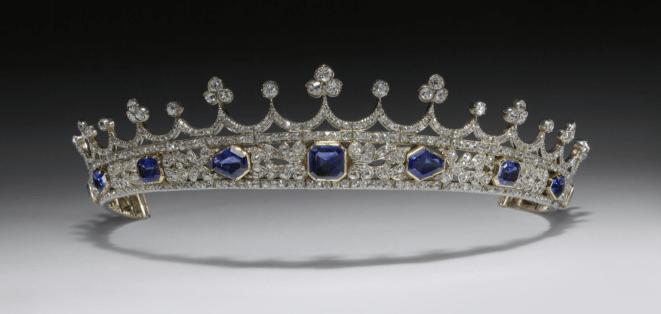
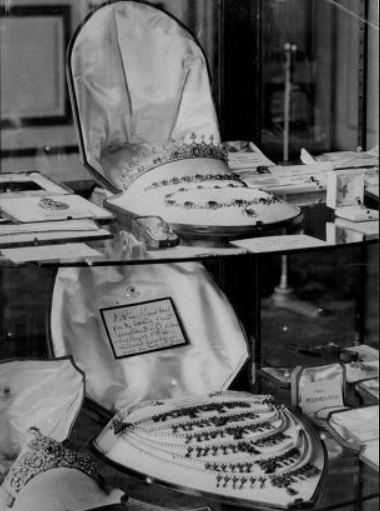
On 28th February, 1922, Princess Mary married Viscount Lascelles, the future 6th Earl of Harewood, in Westminster Abbey. Among the wedding gifts displayed at St James’s Palace was a jewel that linked the bride to her great-grandmother: Queen Victoria’s sapphire and diamond coronet, presented to their only daughter by King George V and Queen Mary.
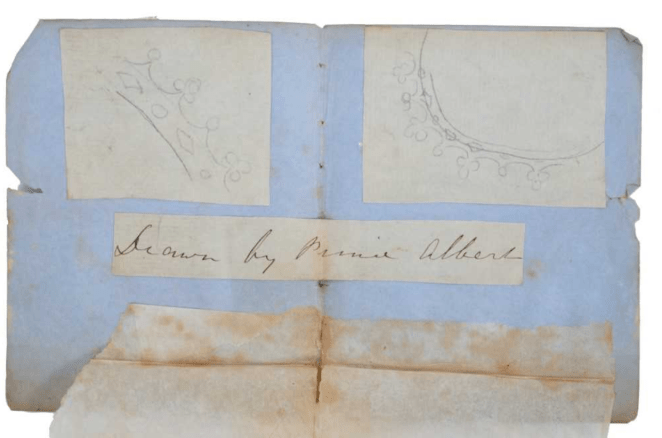
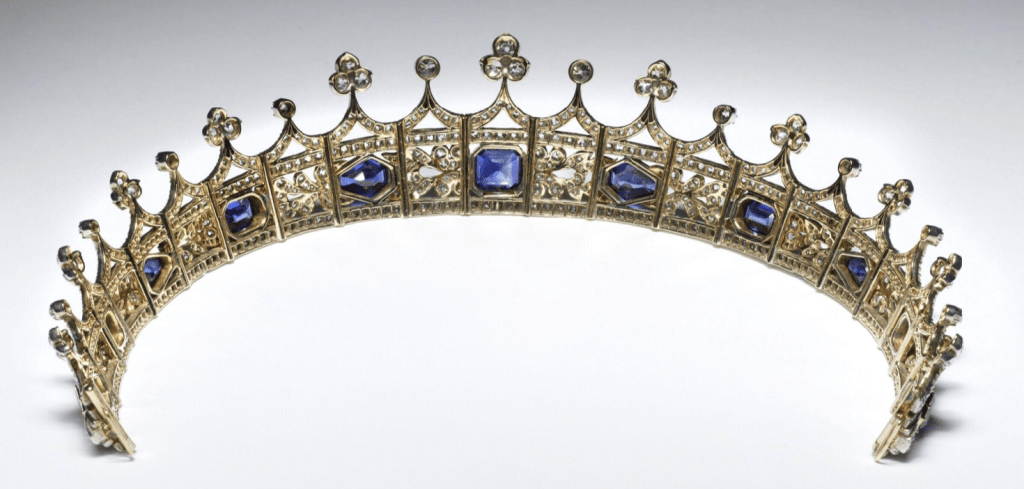
The coronet began its life in 1840. It was designed by Prince Albert for his new bride and commissioned from Joseph Kitching of Kitching and Abud for the sum of £415. Drawing on the Saxon Rautenkranz motif from his own coat of arms, Albert created a piece that was both personal and symbolic.
Many of the stones used were taken from pieces gifted to Victoria by the previous king, William IV, and his wife, Queen Adelaide. And the coronet was also designed to match the sapphire and diamond brooch that Albert had gifted her on the eve of their wedding.
The design is intricate, set with diamonds and rich blue sapphires that curve naturally around the head. The diamonds rise and fall in a series of delicate arches, while eleven sapphires sit between diamond-set foliage along the open band. At the centre is a large octagonal sapphire, flanked by distinctive “calf’s head” shaped stones, with alternating sapphires gradually diminishing in size towards the back. A subtle diamond tie in the form of St Andrew’s cross completes the design at the rear.
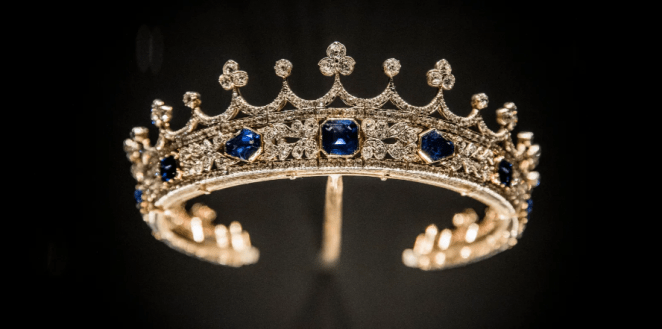
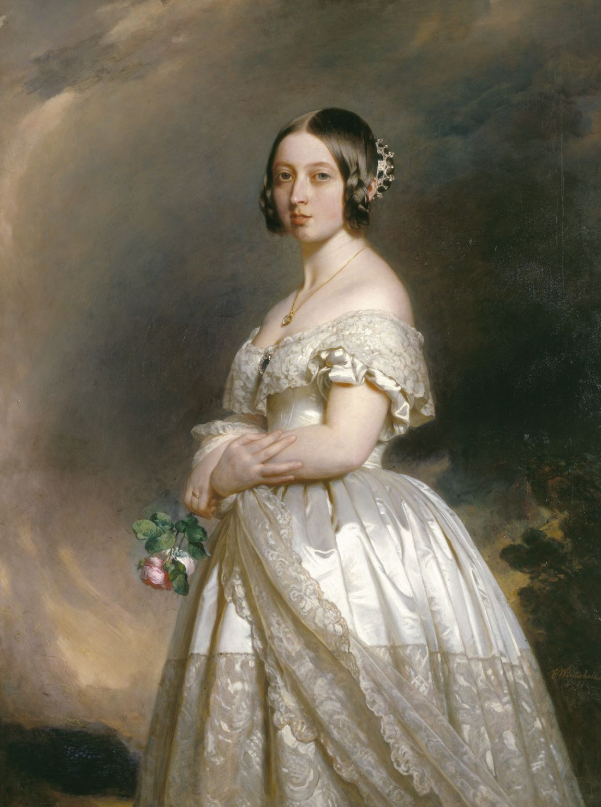
The coronet entered the public imagination when Victoria wore it for her first official portrait by Franz Xaver Winterhalter in 1942. In that famous painting, the young queen wears the coronet carefully placed around her chignon at the back of her head, thought to be inspired by an earlier portrait of Queen Henrietta Maria. The image was widely reproduced across Europe and throughout the Empire, and became one of the defining representations of the new queen.
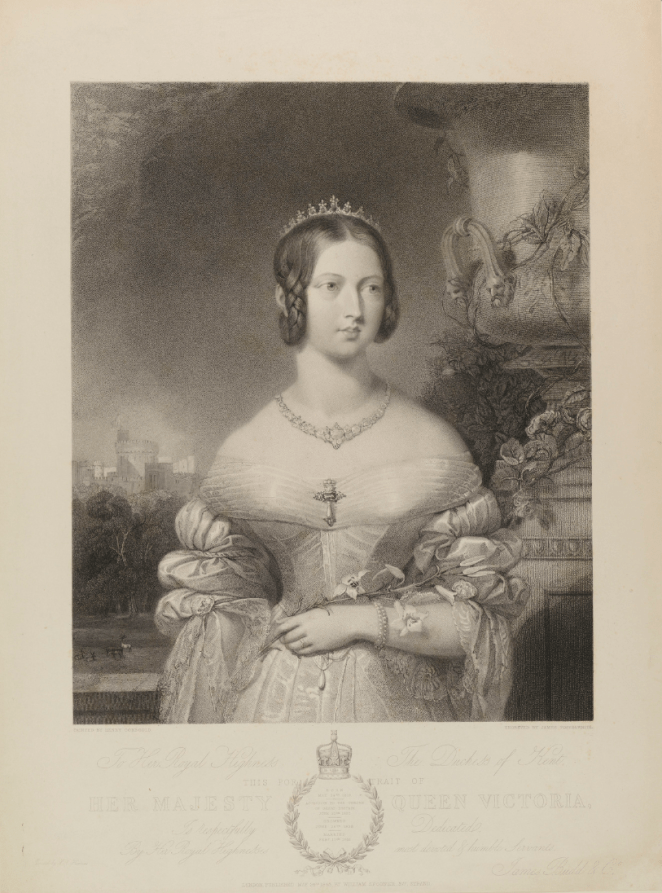
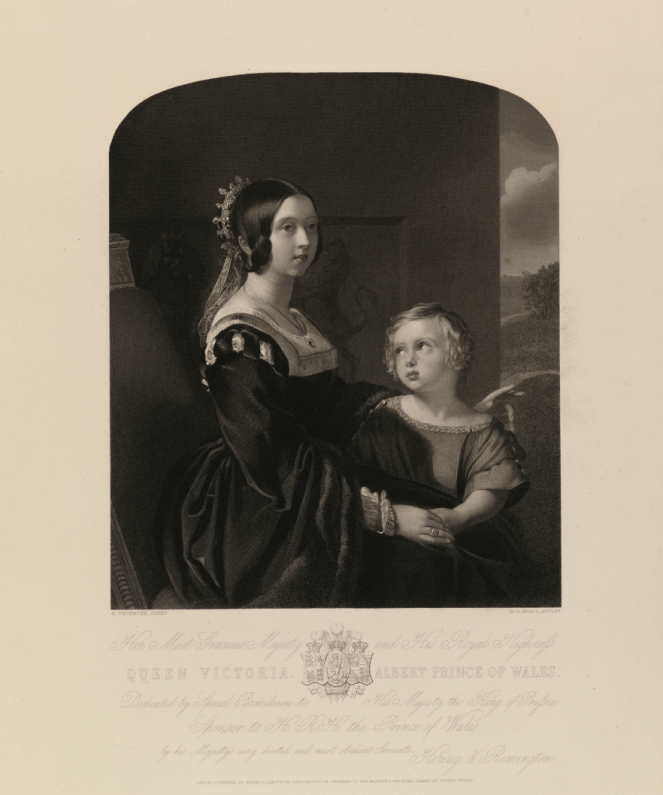
Victoria was also pictured wearing the coronet in several engravings, including one from 1843 by James Posselwhite and another with her eldest son, Prince Albert Edward, the future Edward VII, by Henry Thomas Ryall. Although the exact date of the latter is unknown, based on Bertie’s appearance it was likely produced sometime between 1845 and 1848.
After Albert’s death in 1861, Victoria withdrew from public life and the coronet was set aside – perhaps too personal a reminder of what she had lost. It was not seen again until 1866. Finally persuaded to resume some public duties, Victoria agreed to perform the State Opening of Parliament and, rather than wearing the traditional crown, chose Albert’s coronet instead.
The coronet appeared again in an 1868 lithograph by Sussanapp and in a portrait of 1874 by Henry Richard Graves. Over time, it became closely associated with both her early married image and her later years of widowhood.
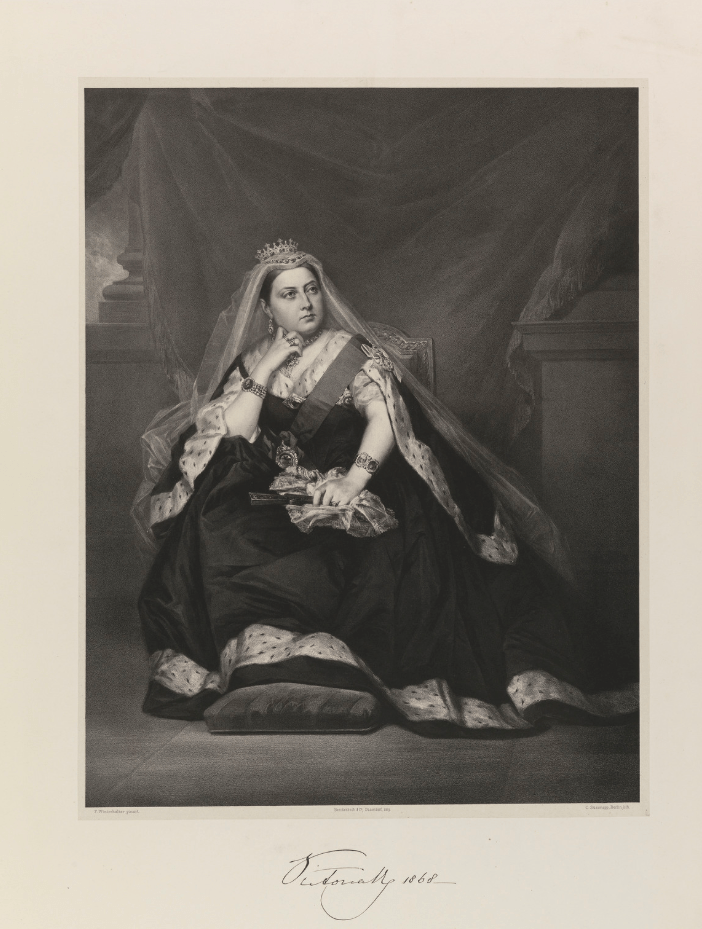
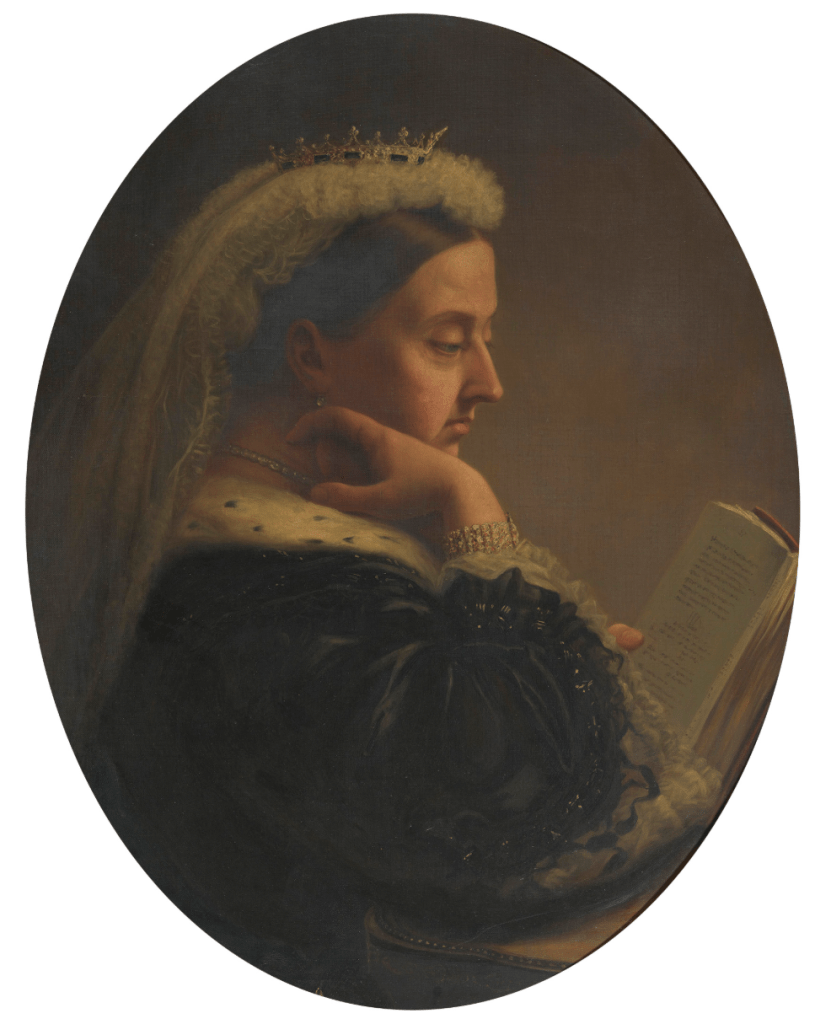
After Victoria’s death in 1901, the coronet passed to her eldest son, King Edward VII, and then to his son, King George V. It remained publicly unworn during those years, Queens Alexandra and Mary preferring the larger and more imposing pieces from the royal collection. It was twenty-one years before it reappeared during Princess Mary’s wedding celebrations, when her parents presented the coronet and the matching sapphire necklace as part of their wedding gift.
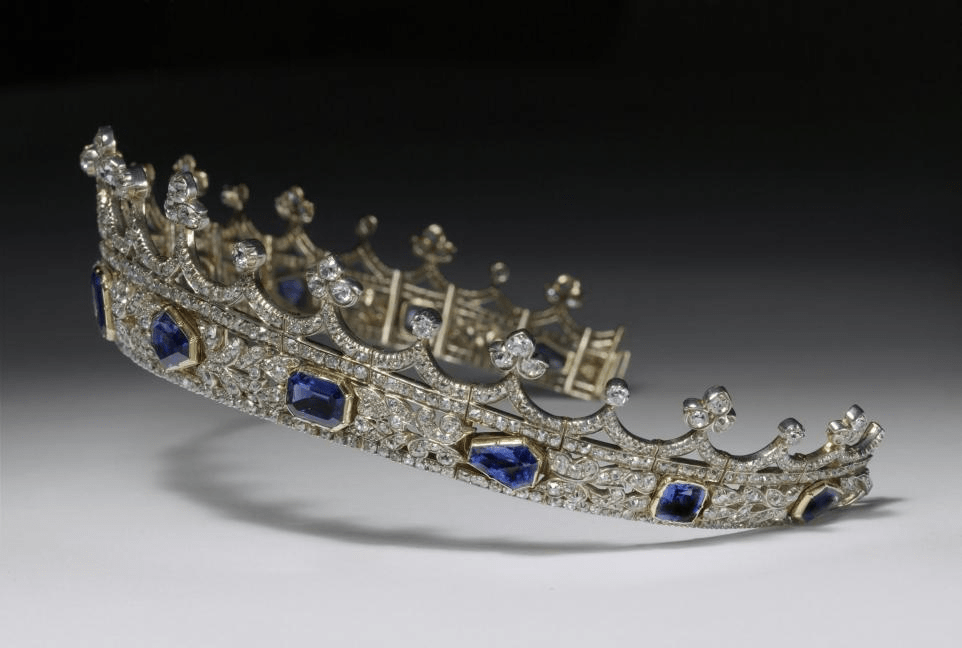
As a newlywed, Mary wore the coronet for a series of portraits in the 1920s and again in the 1930s, styling it in the fashionable bandeau manner of the period.
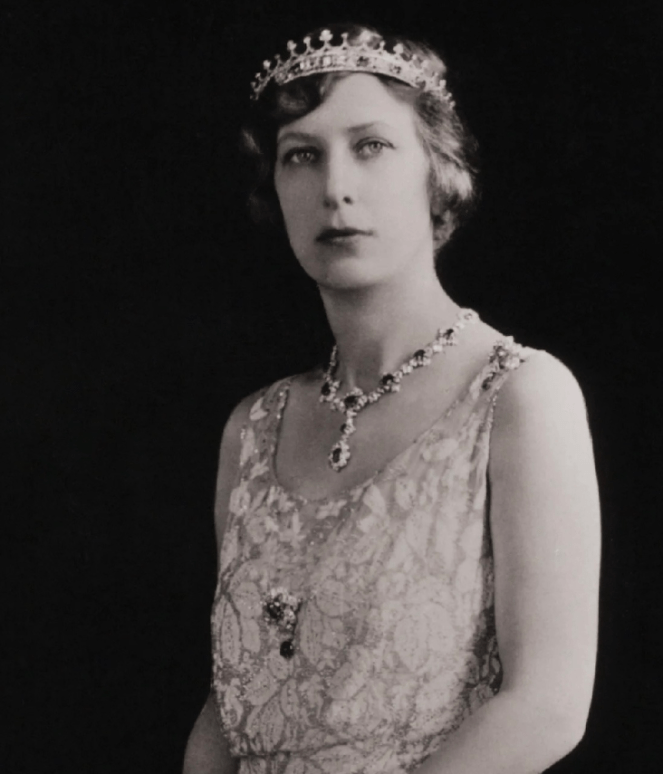
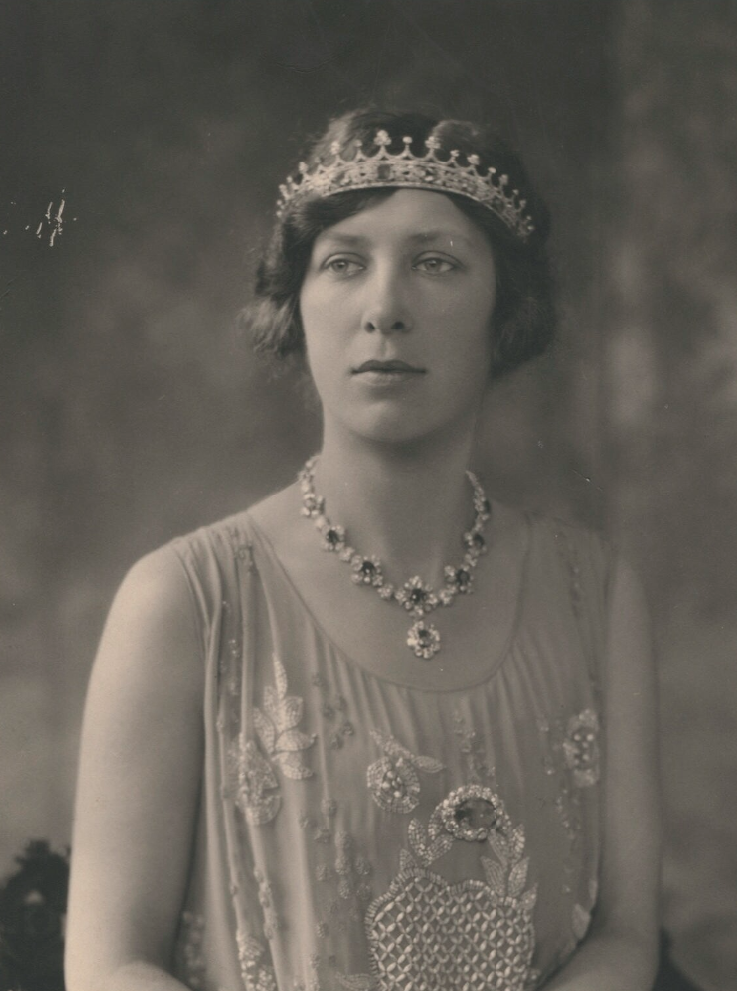
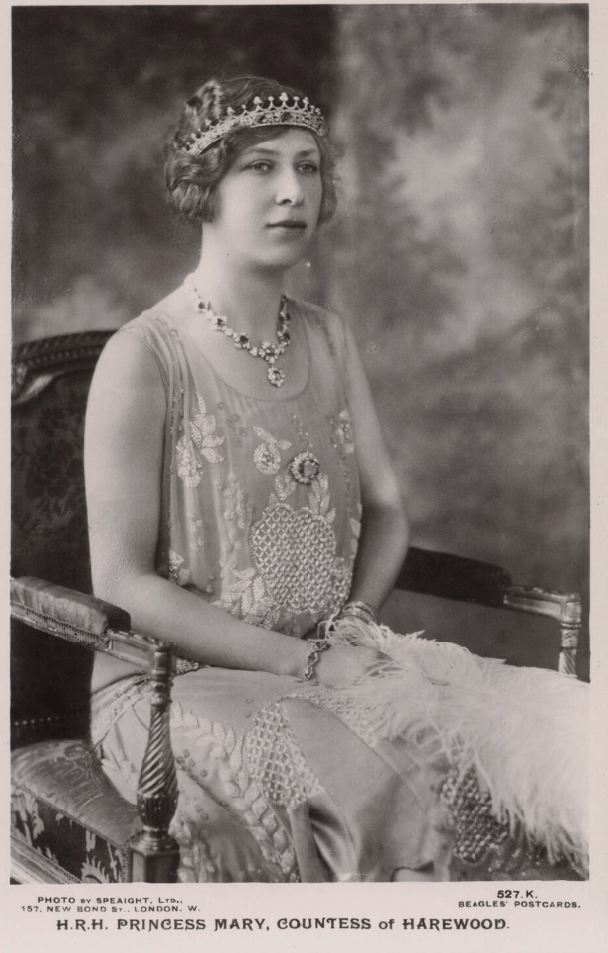
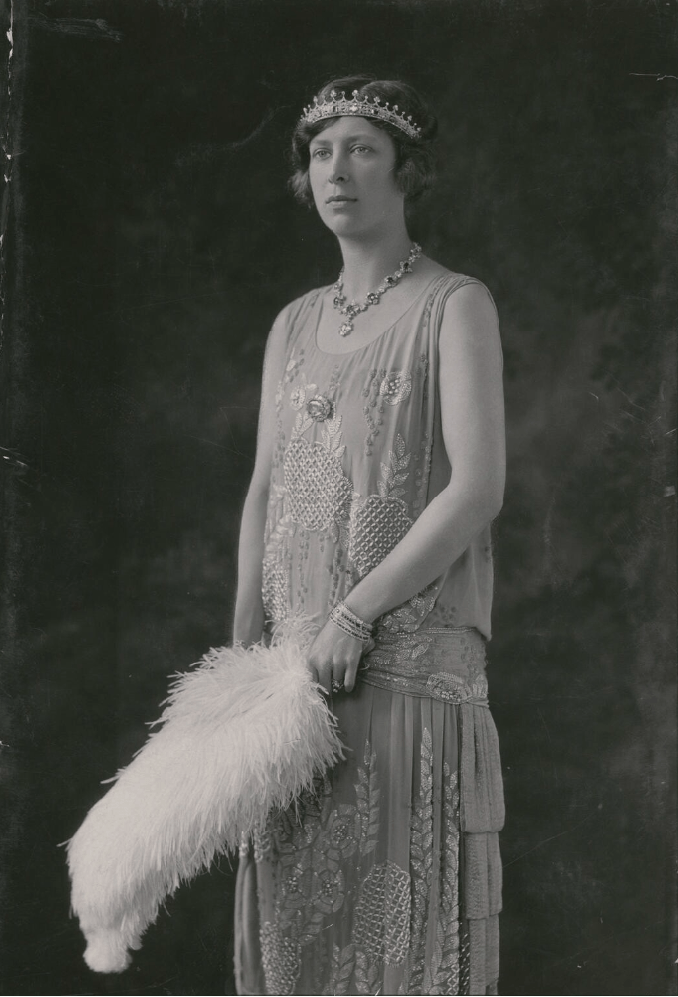
The coronet continued to surface at significant moments. In 1953, it and the sapphire necklace were displayed alongside Princess Mary’s diamond chain at a jewellery exhibition held at the Dorchester Hotel in London to mark the Coronation of Elizabeth II.
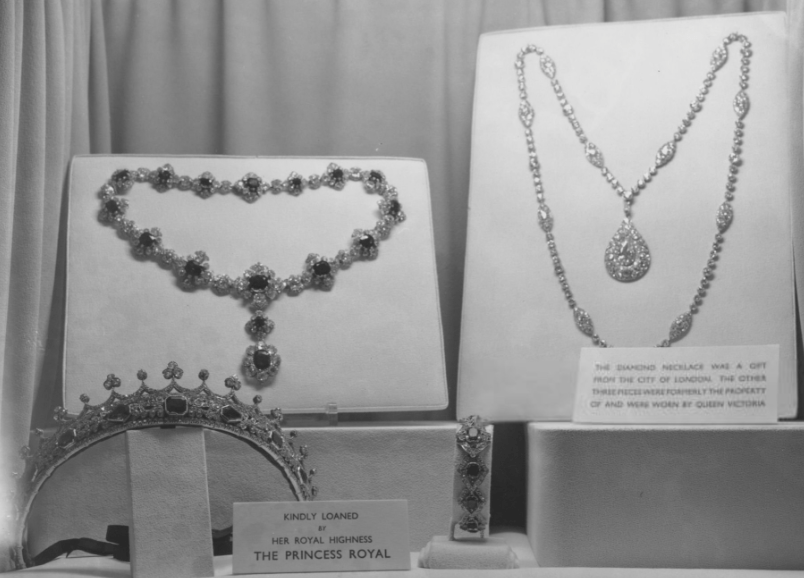
Princess Mary, by then The Princess Royal, continued to wear the coronet throughout her life, although in later years she often preferred the larger Harewood Scroll Tiara.
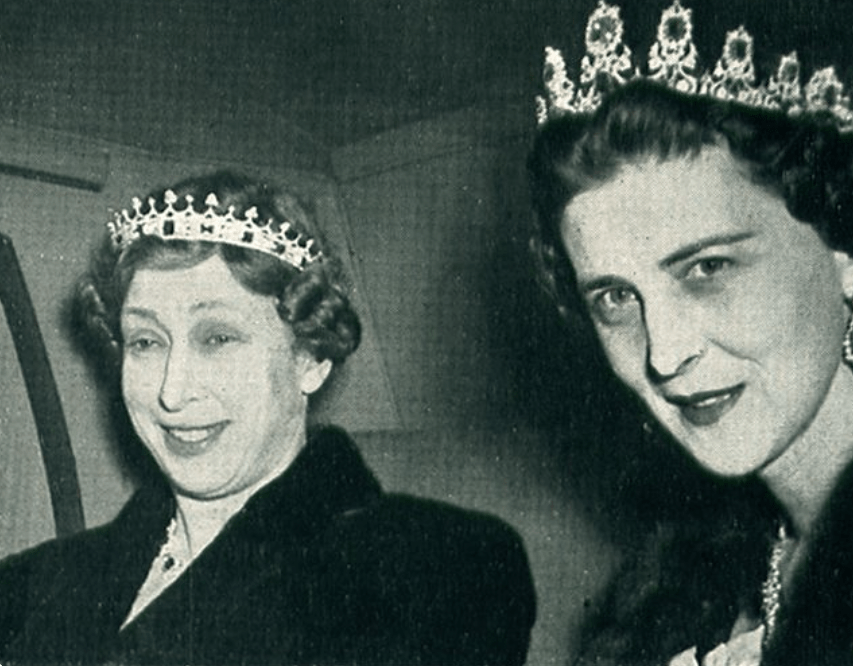
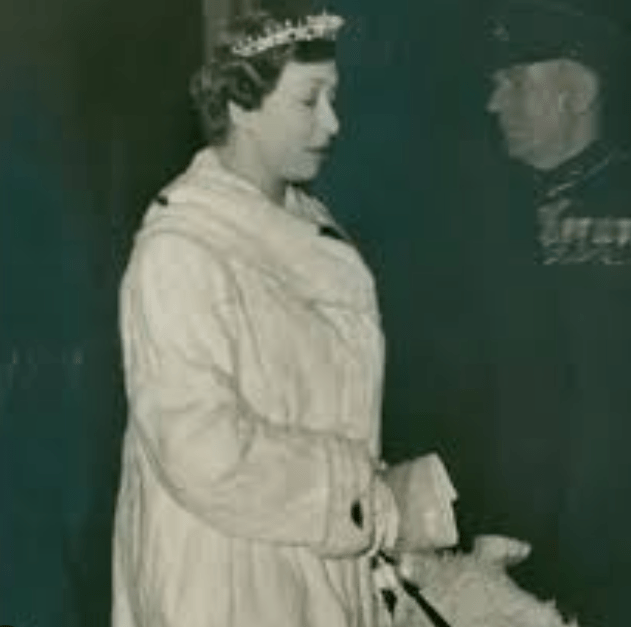
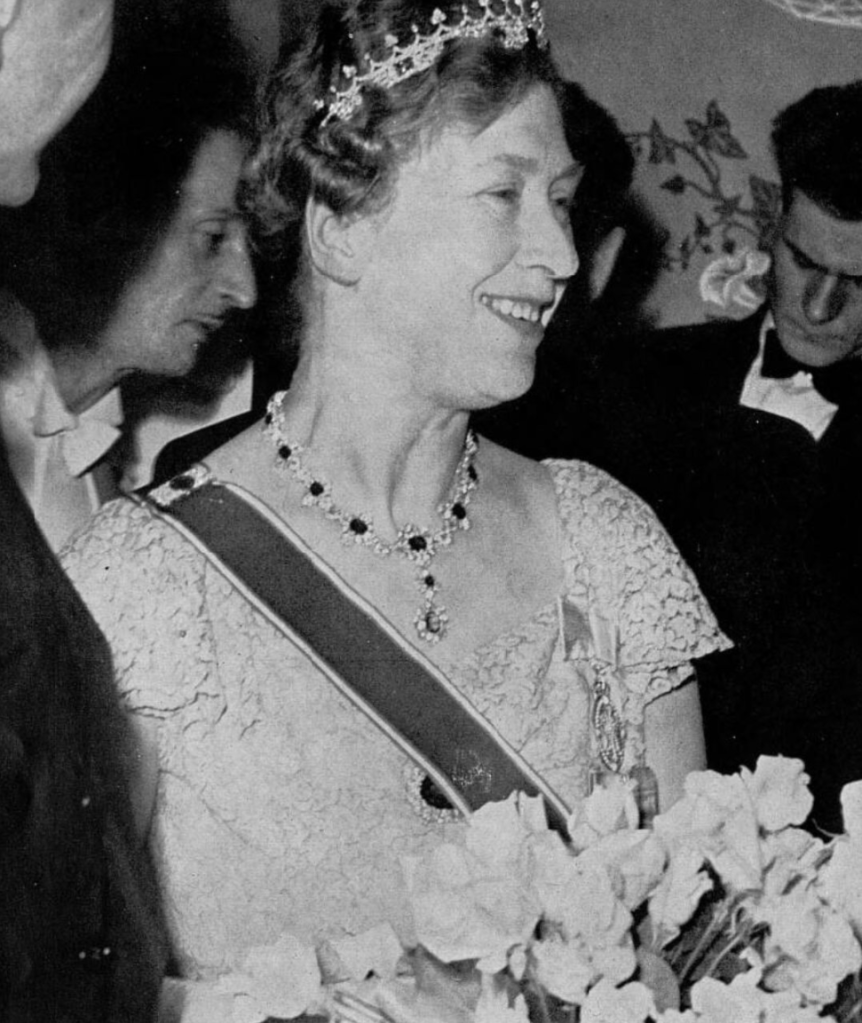
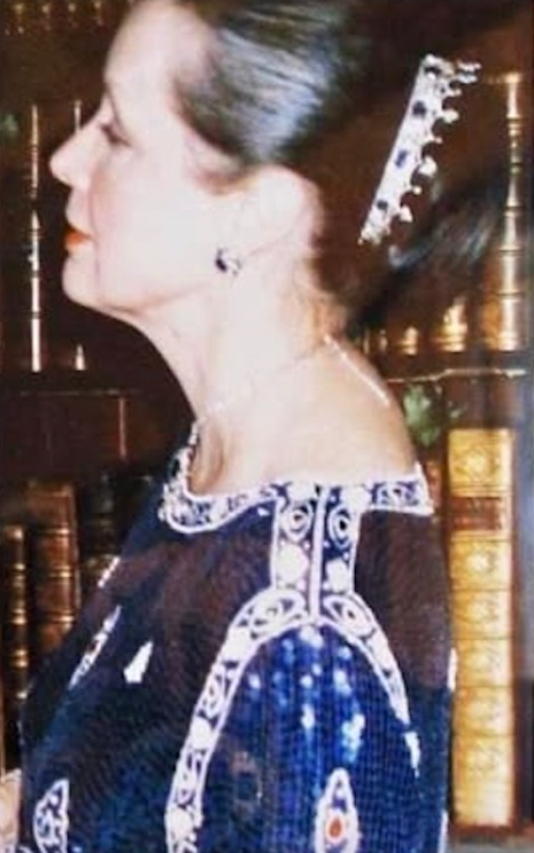
After her death in 1965, the coronet remained within the family and appeared on special occasions. In 1977, the Countess of Harewood wore it for a Civic Hall reception in Leeds during the Queen’s Silver Jubilee tour of Yorkshire. She later wore it again, returning it to the back of the head in what appeared to be a deliberate echo of Queen Victoria’s original styling.
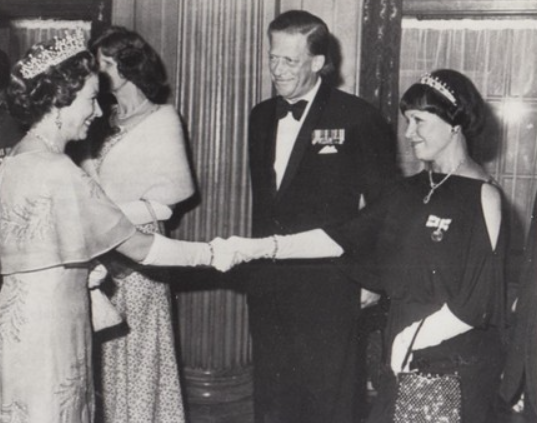
In 1991, it was worn by Andrea Kershaw at her wedding to Princess Mary’s grandson, the Hon. Mark Lascelles.
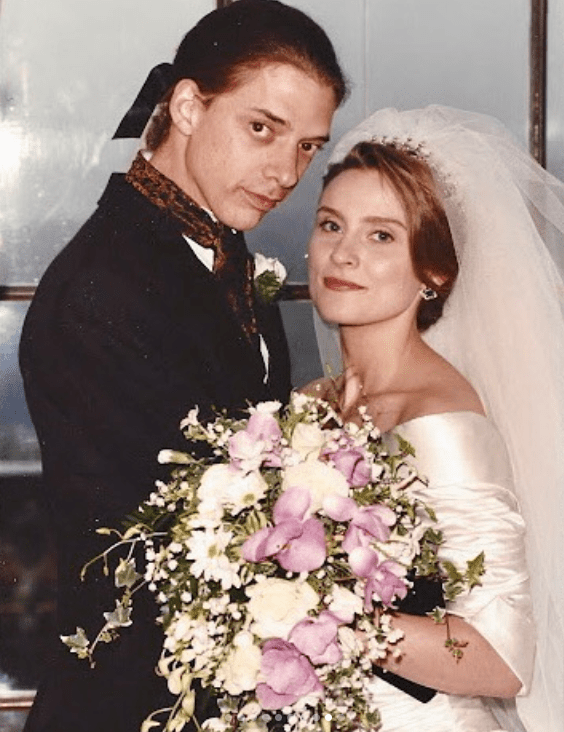
That was the last time it was worn publically, and, at some point, the Harewood family sold the coronet to a London dealer – it has been speculated this was due to inheritance taxes following the death of the 7th Earl in 2011. In 2016, when the dealer sought to sell it to an anonymous foreign buyer, the British government imposed a temporary export ban, preventing it from leaving the country and allowing time for funds to be raised to keep it in the United Kingdom. The coronet was ultimately acquired by the Bollinger family as a gift to the Nation and the Commonwealth, and it is now permanently housed at the Victoria and Albert Museum.
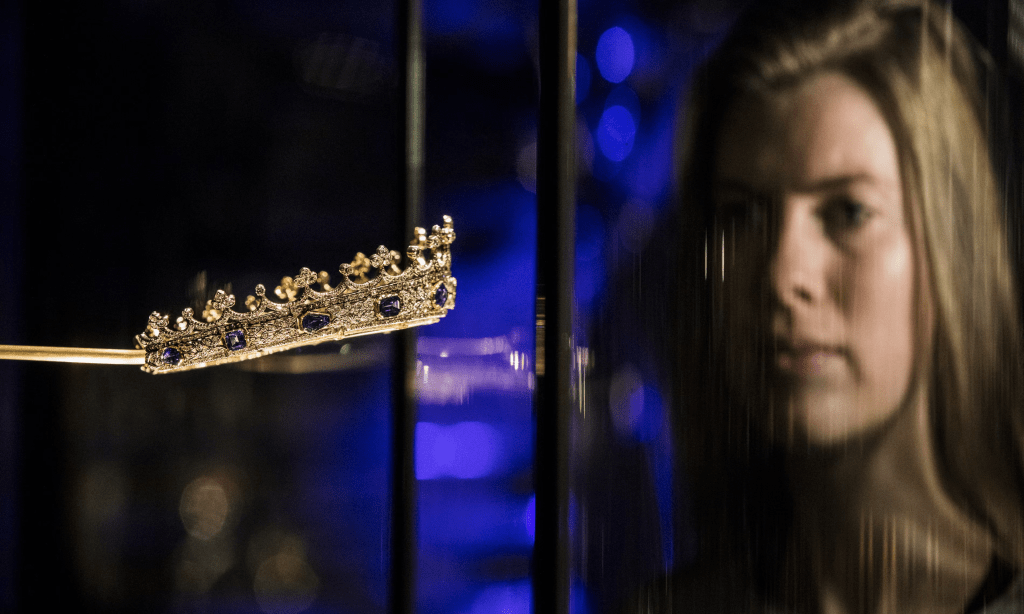
There is a certain symmetry in that final chapter. The laying of the foundation stone for the V&A building in 1899 was Queen Victoria’s last public appearance before her death in 1901. More than a century later, a coronet designed for her by Prince Albert has come to rest within a museum that bears both their names. The jewel that once marked the beginning of her marriage, that later signalled a cautious return to public life, and that was given again at another royal wedding in 1922, now forms part of a national collection.
For a closer look at Princess Mary’s wedding – and the fashions worn on her big day – see my post: Royal Fashion: Princess Mary’s 1922 Wedding Style



Such a lovely commentary on this beautiful coronet. I love the combination of diamonds and sapphires. The video was so informative.
LikeLiked by 1 person
Thank you! It’s one of my favourite pieces – Albert certainly had an eye for jewels!
LikeLiked by 1 person