On this day in 1953, the coronation of Queen Elizabeth II took place in Westminster Abbey. The first such ceremony to be televised, it gave her subjects the rare opportunity to see their new monarch resplendent in the robes and jewels of state — including the impressive Coronation Necklace and Earrings.
Commissioned from Garrard by Queen Victoria in 1858, the necklace and earrings were created to replace the Hanoverian diamonds that had come to Britain with George I and were later bequeathed by Queen Charlotte. According to the Royal Collection Trust, upon her death:
Queen Charlotte’s hereditary jewels, which were bequeathed by her ‘to the House of Hanover, or to be settled upon it, and considered as an Heir Loom, in the direct Line of Succession of that House’, passed to the Prince Regent.
When Victoria ascended the British throne, Salic law prevented her from inheriting the Hanoverian crown, which instead went to her uncle, Ernest Augustus, Duke of Cumberland. He laid claim to numerous items in the British royal collection, sparking what Victoria would later call “our tiresome dispute with the King of Hanover” — a dispute that dragged on for nearly two decades.
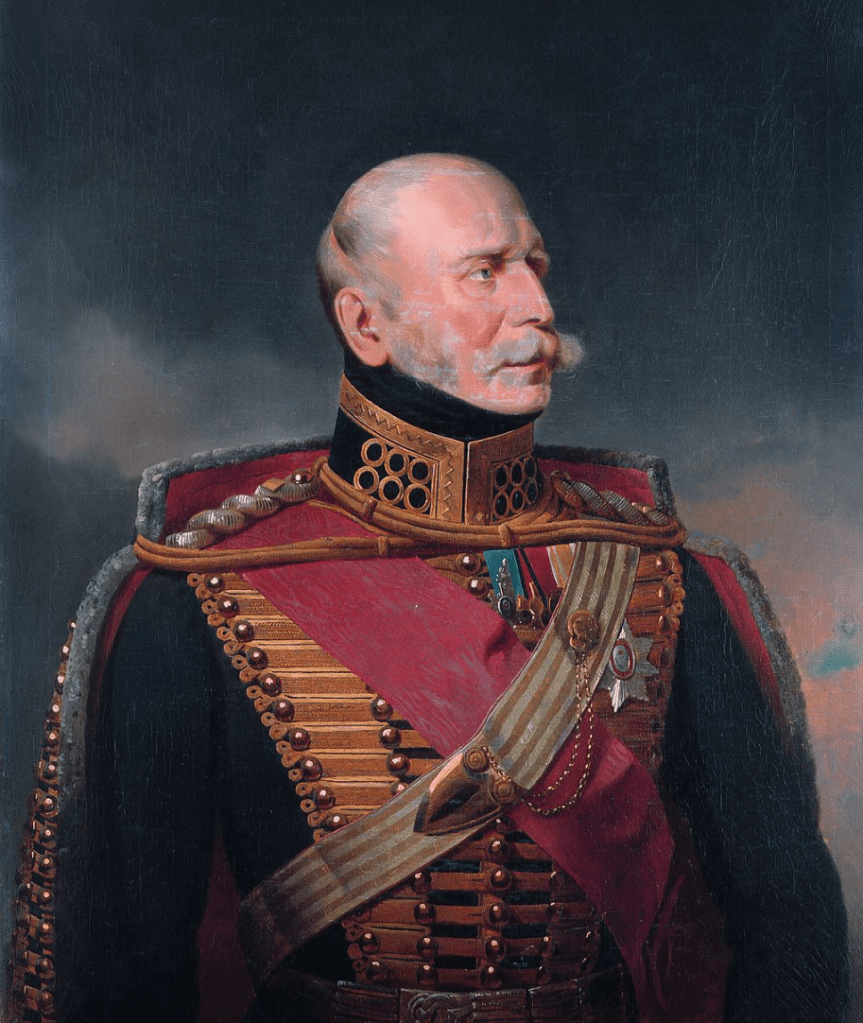
In 1857, the British government appointed a commission of independent law lords to review the dispute, and – to Victoria’s dismay – they ruled in favour of the Hanoverian claim. Returning the jewels, however, proved far from straightforward. Many had already been broken up, with the stones repurposed into new pieces. Nevertheless, Queen Victoria was ultimately obliged to hand back Queen Charlotte’s diamond bows, her three-drop and single-drop earrings, a necklace pendant cross, nuptial crown, nosegay, and various stones from her stomacher. In addition, three of Queen Adelaide’s diamond wheatear ornaments — made in 1830 using diamonds from George III — also had to be returned.
The majority were handed over on 2 January 1858, and by the following month Garrard had been instructed to begin work on replacements. However, it wasn’t until 1866 that Victoria finally returned the last of the contested jewels (Menkes, 1985).
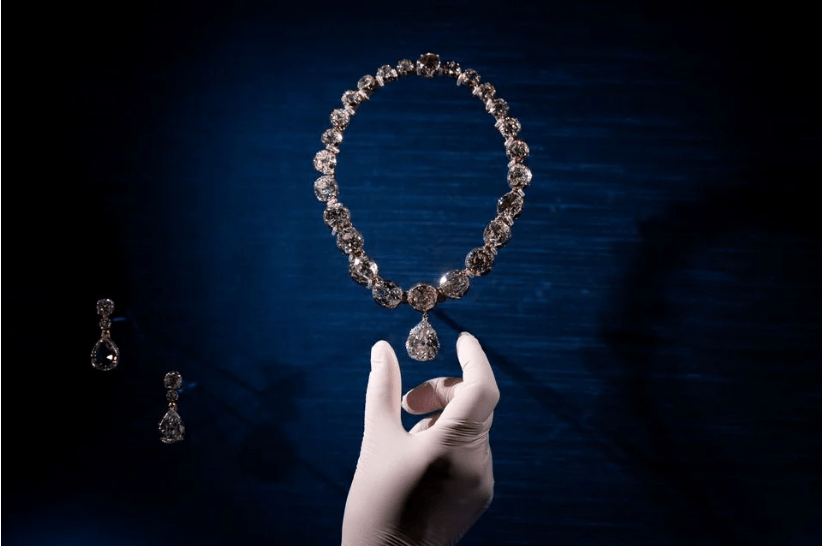
The replacement for Queen Charlotte’s necklace cost £65 to create and was fashioned from 28 diamonds salvaged from two of the Queen’s Garter badges and the hilt of a ceremonial sword. Its new pendant — a 22.48-carat stone known as the Lahore Diamond — had been ‘presented’ to Queen Victoria in 1851, following Britain’s colonisation of the Punjab.
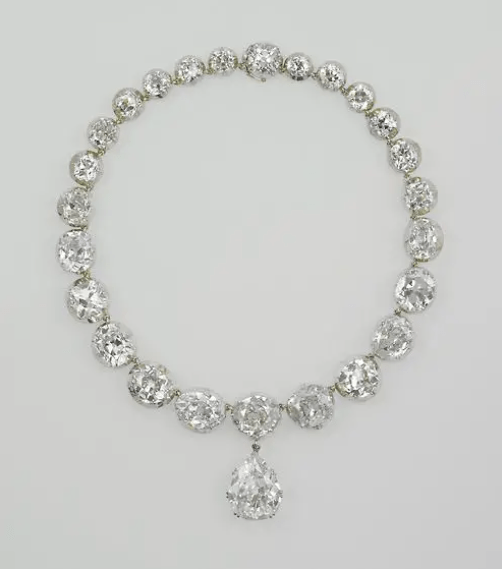
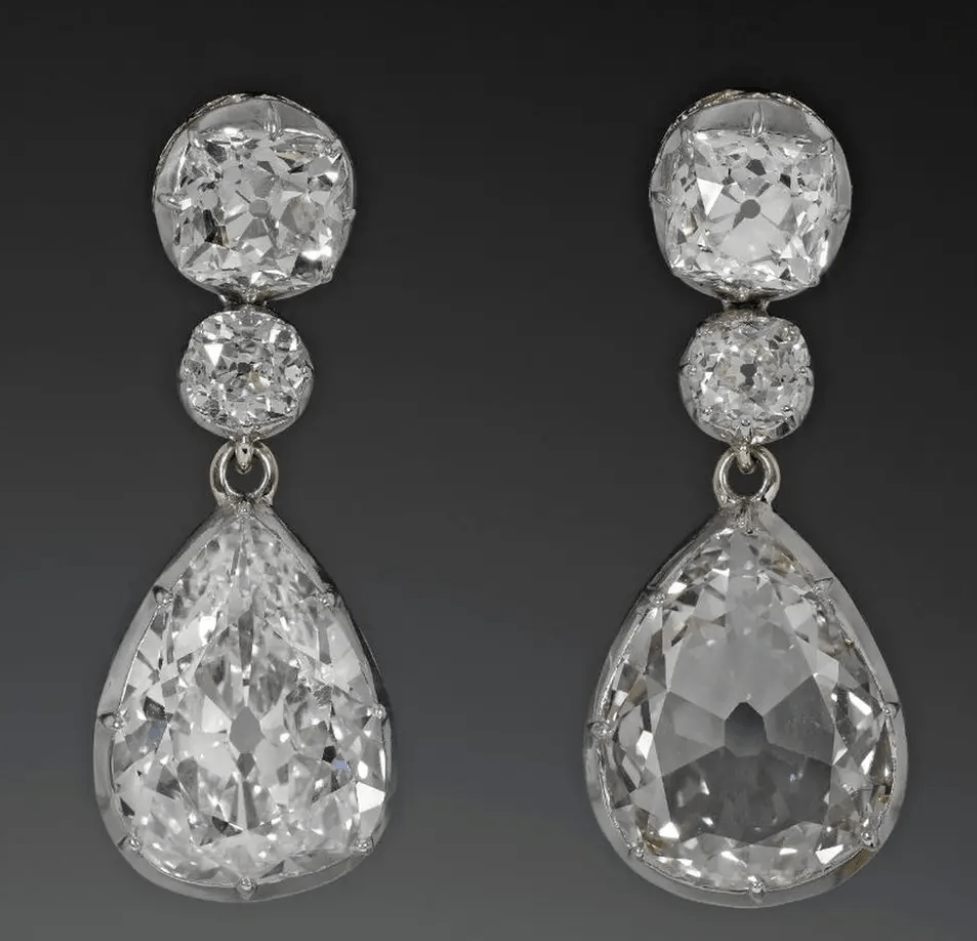
The earrings were composed of cushion-cut diamond studs, each set with a round brilliant and a large, pear-shaped diamond suspended below – the two drops are non-matching. In keeping with the royal’s tradition of repurposing existing jewels, the pear-shaped diamonds had previously formed part of the armlet setting created for the Koh-I-Noor

The earliest image of Queen Victoria wearing her new jewellery was in a portrait she commissioned from Franz Winterhalter in 1859, where she wore the necklace (without the Lahore diamond pendant) and earrings, along with the Diamond Diadem and her Robe of State.
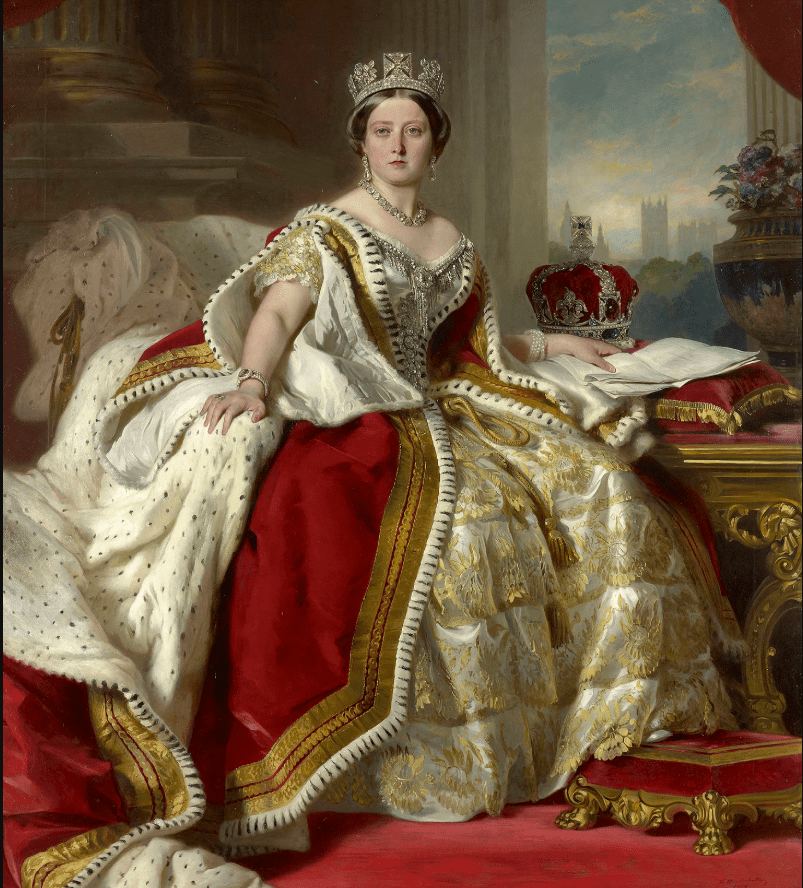
Following Prince Albert’s death in 1861, and Victoria’s retreat into perpetual mourning, she largely withdrew from public life. As a result, opportunities to wear her grander jewels were few. However, on the rare occasions when duty required it, the Coronation Necklace and Earrings – complete with the pendant – were among the select pieces she chose to wear. Notably, they appear in the official portraits commemorating both her Golden and Diamond Jubilees.

In 1887, for her Golden Jubilee, Victoria wore the necklace and earrings alongside her Small Diamond Crown — another creation by Garrard, designed to suit her widow’s state. A decade later, for the Diamond Jubilee in 1897, she paired them with her Sunray Tiara, a piece now absent from the royal rotation, having been left to her youngest daughter, Princess Beatrice.
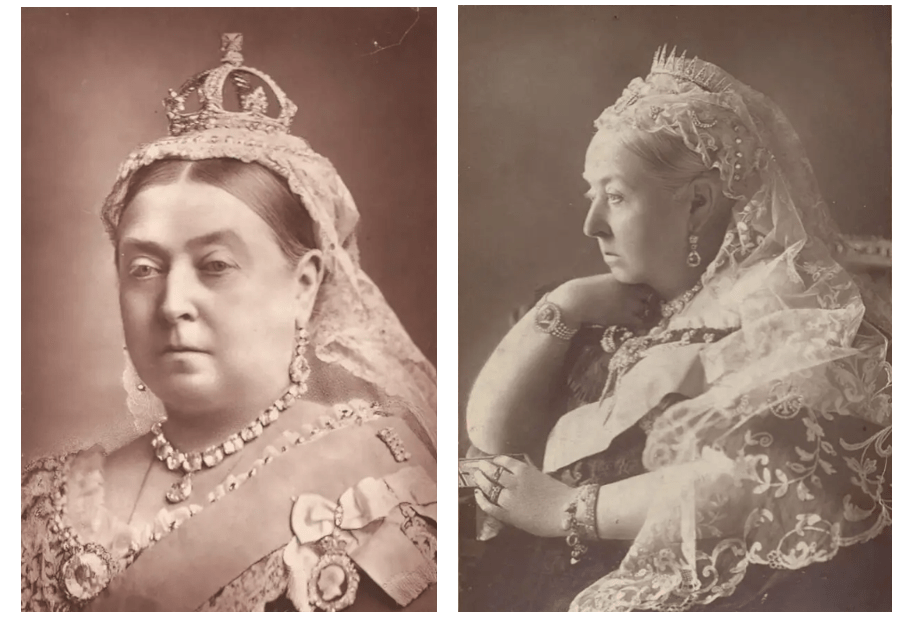
Following her death in 1901, it was discovered that Queen Victoria had designated both the necklace and earrings – along with numerous other pieces – as ‘Heirlooms of the Crown’, or as ‘belonging to the Crown and to be worn by all future Queens in right of it’.
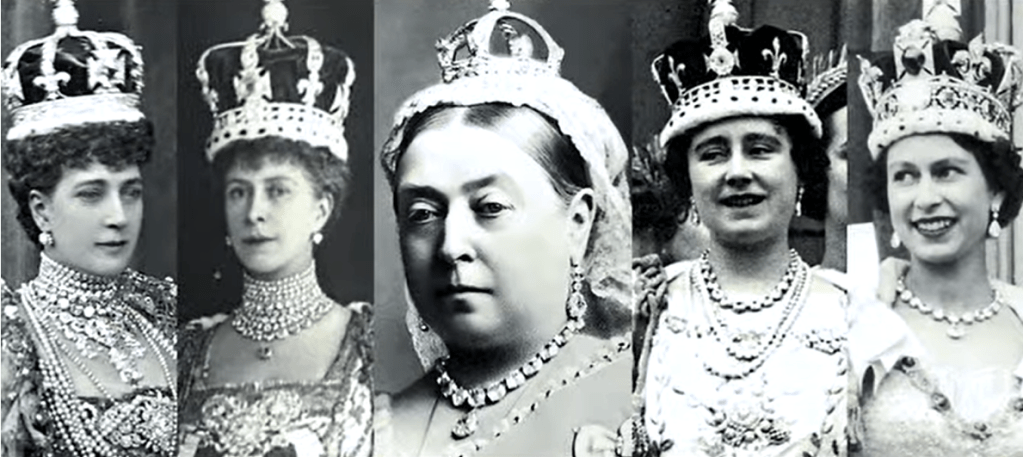
And so, in 1902, Queen Alexandra wore the necklace, without the pendant, for her coronation – although, as can be seen in images from the day, it was somewhat difficult to spot amid the abundance of jewels the new queen had draped herself in.

It has been suggested that the pendant visible just above the neckline of her gown is made up of the Lahore Diamond and the two pear-shaped stones from the earrings.
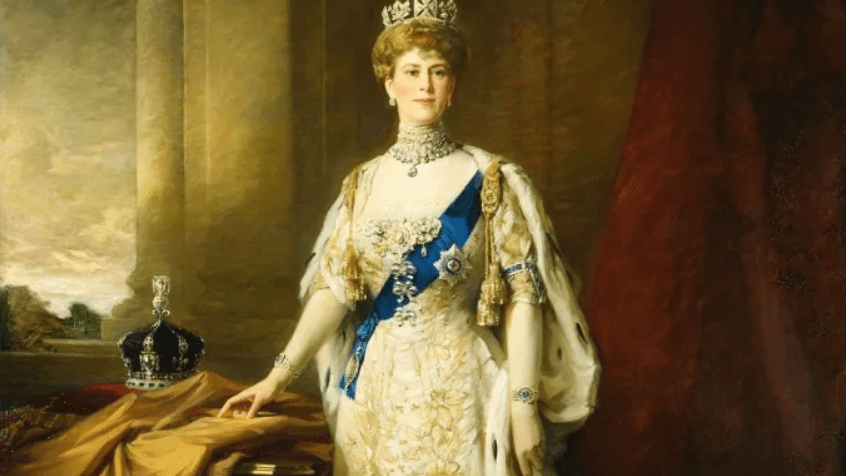
When her turn came in 1911, Queen Mary chose to wear the necklace – though not the earrings – for her coronation. Prior to the ceremony, she had Garrard shorten the necklace by removing two stones, which were then used to create a pair of diamond stud earrings. She also wore Queen Victoria’s Diamond Bow Brooches, which, like the coronation jewels, had been commissioned from Garrard in 1858 as replacements for pieces lost to Hanover.
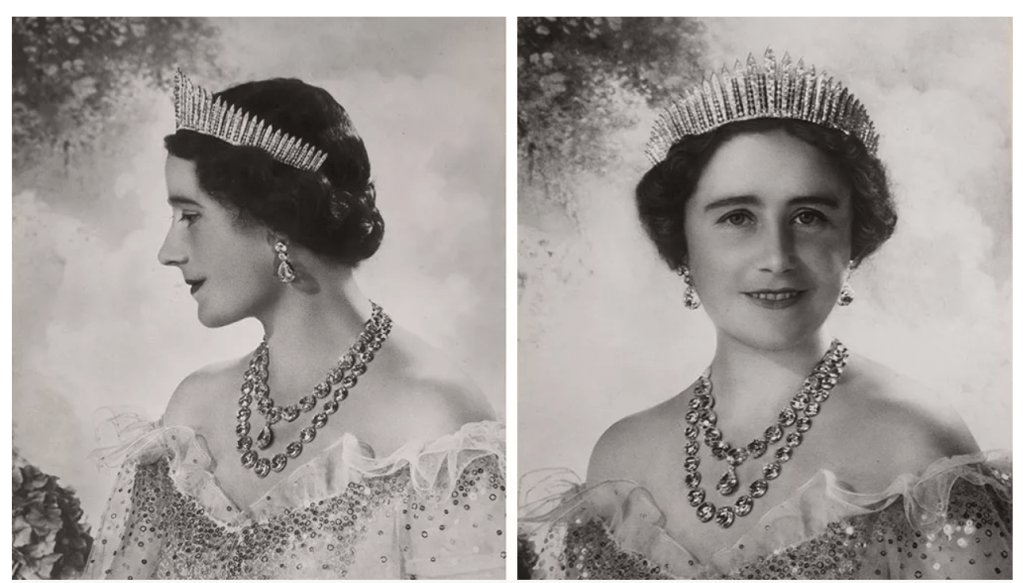
Queen Elizabeth, the future Queen Mother, wore both the necklace and earrings for her coronation in 1937. However, the Lahore Diamond — usually suspended as a pendant — was removed and temporarily set at the centre of the cross atop her crown. According to Suzy Menkes in The Royal Jewels, the stone had been trimmed to a “mere 22.48 carats.”
She also wore a second diamond collet necklace – presented to her by her husband, George VI, as a coronation gift.

Menkes also noted that The Queen had two stones removed from the Coronation Necklace, and replaced them with three smaller ones (believed to be from her new collet necklace) and used them to make a pair of ‘fine drop earrings for herself’.
In the images below, she can be seen wearing both necklaces, along with the Coronation Earrings, Queen Mary’s Fringe Tiara, and a beautiful silk tulle gown created by Norman Hartnell. They are part of a series of portraits taken of The Queen in 1939 by celebrated photographer, Cecil Beaton.
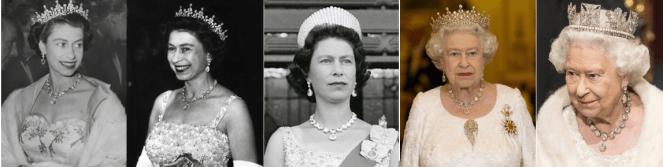
In 1953, Queen Elizabeth II wore both the necklace and the earrings for her trip to Westminster Abbey. Unlike her predecessors, she wore no other adornments save the official coronation regalia.

They became favoured pieces of hers, and she went on to wear them throughout her long rein, for formal occasions, banquets, and State Openings of Parliament.
The suite of jewels were also placed in display at Windsor Castle in 2022, as part of the exhibition Platinum Jubilee: The Queen’s Coronation.
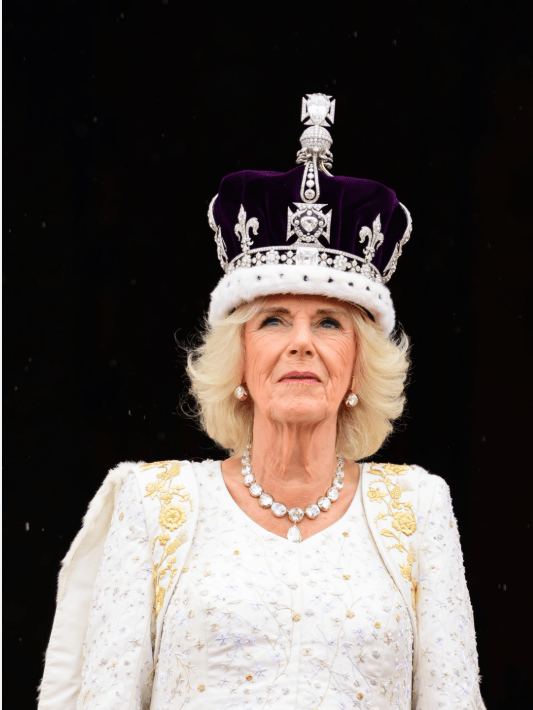
The necklace was most recently worn in 2023 by Queen Camilla. However, as she does not have pierced ears, the earrings were left in the vault, and instead she wore pieces from her own collection.
From Queen Victoria to Queen Camilla, the Coronation Necklace and Earrings have marked some of the most significant moments in royal history. Worn by generations of queens, they’re more than just heirlooms – they’re a symbol of continuity, resilience, and the evolving story of the monarchy itself.

 Mistress of the Robes