Born on November 26, 1869, at Marlborough House, Maud Charlotte Mary Victoria—known as Princess Maud of Wales—was the youngest daughter and fifth child of Edward VII and Queen Alexandra. Among her godparents were King Charles XV of Sweden and Tsarina Maria Feodorovna of Russia.
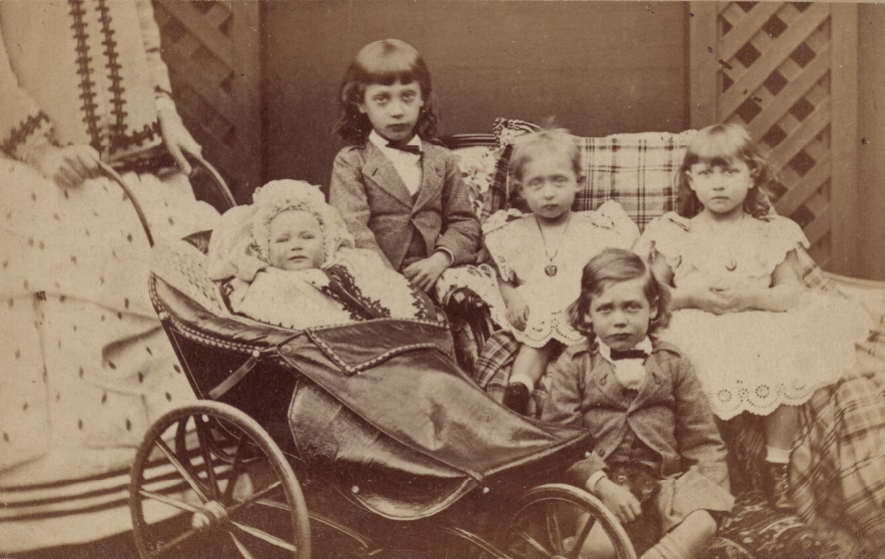
With such close ties to European royalty, it was only natural that she attended multiple coronations throughout her lifetime. Fortunately, many of the gowns she wore to these historic events have been preserved and later donated to the National Museum of Norway by her son, King Olav V. Known for her impeccable elegance and style, Queen Maud left behind a remarkable fashion legacy. Let’s take a closer look at the coronation gowns of Norway’s first queen.
The Coronation of Edward VII & Queen Alexandra
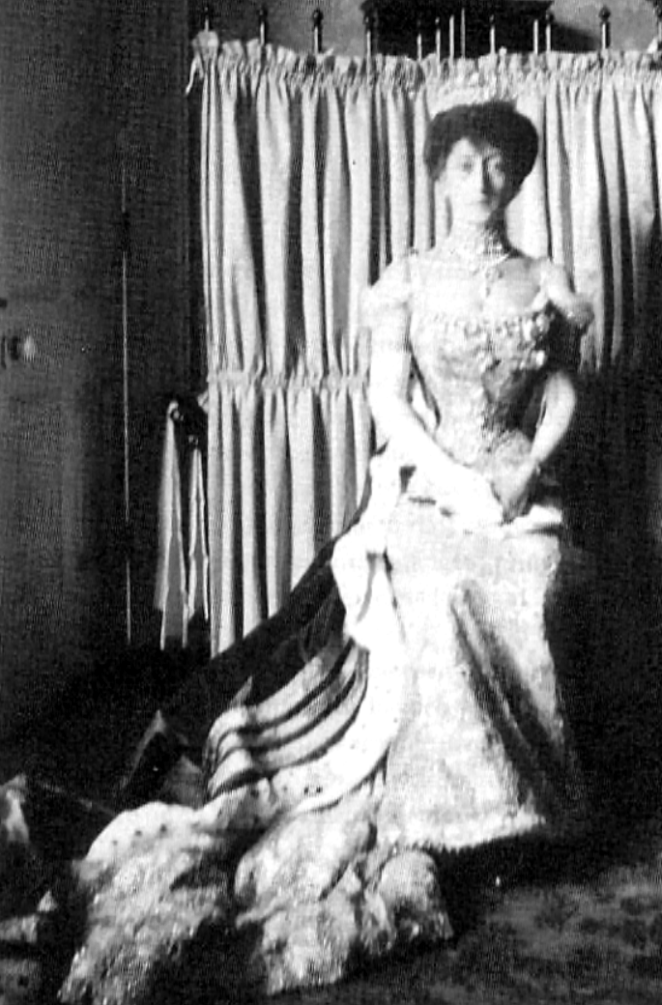
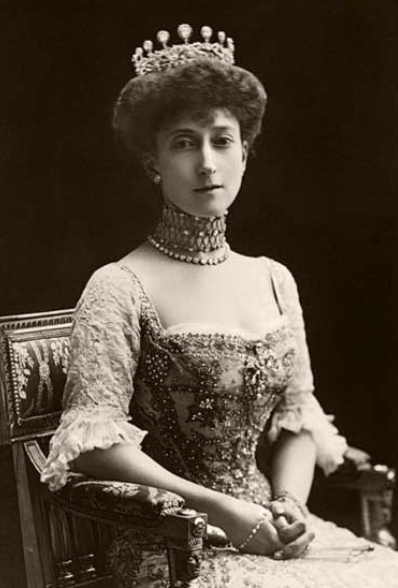
The first coronation Maud attended was that of her parents. On August 9, 1902, she watched as they were crowned Edward VII and Queen Alexandra at Westminster Abbey in London. The dress below is believed to be the one she wore on that occasion, as it closely matches her attire in contemporary photographs and reports.
However, the dress has undergone changes since its appearance on coronation day. In Style and Splendour: The Wardrobe of Queen Maud of Norway, the authors note that the sleeves have been altered at least twice —evidenced by a 1906 photograph showing Maud wearing the gown with coarser lace sleeves. They also remark that “only the grandest of occasions required such a long train.”
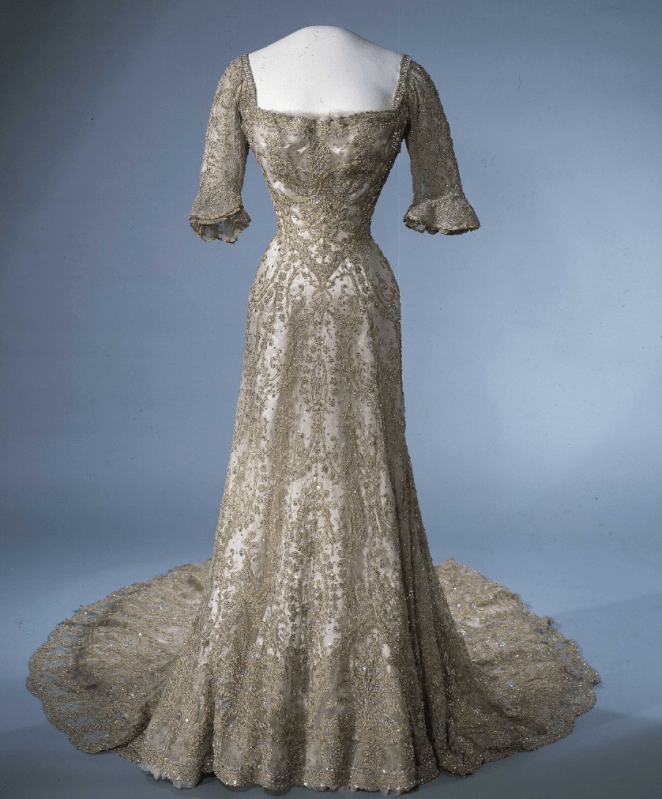
The renowned Parisian couture house Maison Laferrière created the dress. Founded by Madeleine Laferrière in 1869, it was one of the leading names in French fashion, designing for prominent figures of the time, including Queen Alexandra. In their 1890–91 Guide to Paris, Baedeker’s ranked Laferrière among the top three fashion houses, alongside Worth and Pingat.
The coronation dress features a machine lace overdress in the princess style, known for its fitted silhouette and elegant drape. Richly embroidered with gilt metal thread in a floral motif, it is further embellished with diamanté and silver sequins, creating a striking shimmering effect. The princess style itself was named in honour of Maud’s mother, Queen Alexandra.
To complete the look, Maud wore a regal court robe, visible in the picture above. This was made by Ede & Ravenscroft in London—more on this later. She also wore her diamond tiara, a wedding gift from a group of well-wishers referred to as “Lady and Gentleman Friends.”
The Coronation of King Haakon VII & Queen Maud
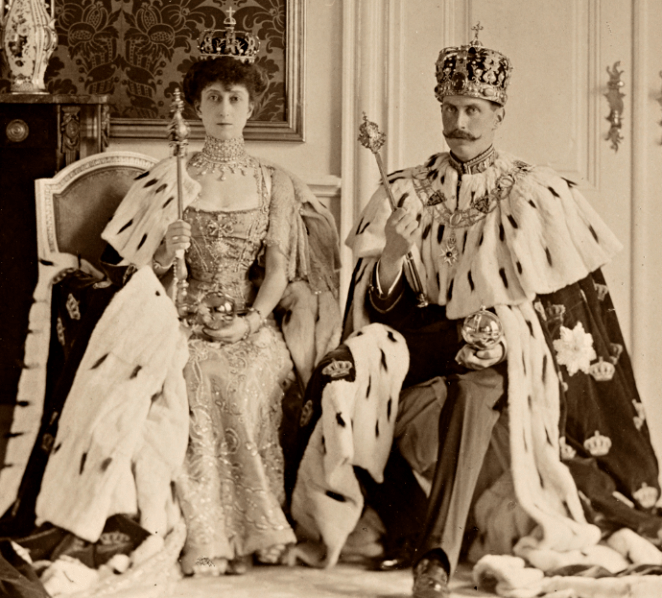
When Princess Maud married her cousin, Prince Carl of Denmark, on July 22, 1896, she had no expectation of becoming queen. Carl was the second son of Crown Prince Frederick of Denmark, making his accession to a throne highly unlikely.
However, history took an unexpected turn when Norway dissolved its 91-year union with Sweden, and, on 18th November, 1905, voted overwhelmingly to offer the throne to Prince Carl. Maud’s close ties to the British royal family are believed to have played a role in his selection. At the time, Norwegian politician Jakob Schøning wrote that by choosing Carl, Norway would “tie England to her and be better than Sweden, who will only get King Edward’s niece as queen.” The ‘niece’ he referred to was Princess Margaret of Connaught, daughter of Prince Arthur, Duke of Connaught, who had recently married Swedish Crown Prince Gustaf Adolf.
The coronation was set for June 22, 1906—a date reportedly chosen by King Haakon to mark the anniversary of his betrothal to Queen Maud. The ceremony was to take place at Nidaros Cathedral in Trondhjem.
An introvert by nature, Maud found the prospect of such a public event deeply anxiety-inducing. She confided in her sister-in-law, Princess May, writing:
“It all haunts me like an awful nightmare this coronation and that it is just to be ours of all people. Think of me alone on my throne, having a crown to be shoved on my head which is very small and heavy by the aged Bishop, and a Minister and also has to be put on by them before the whole crowd!! and oil to put on my head, hands and bosom!! Gracious, it will be awful.”
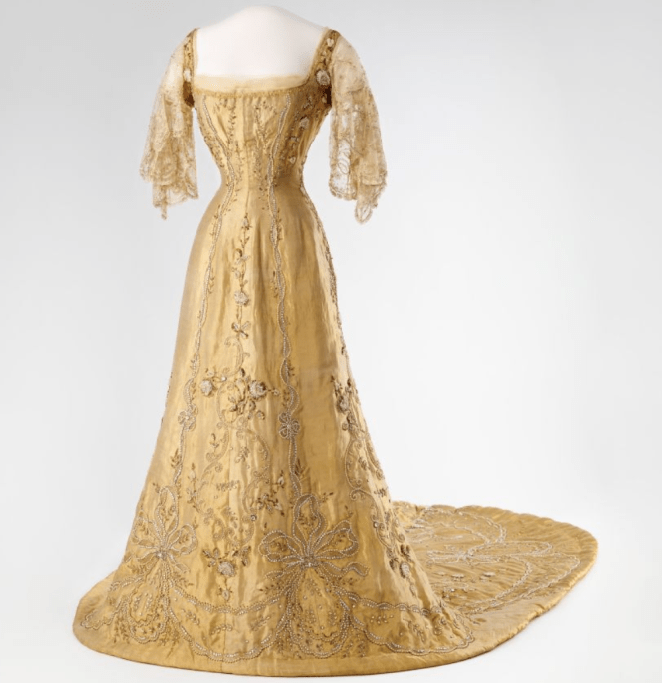
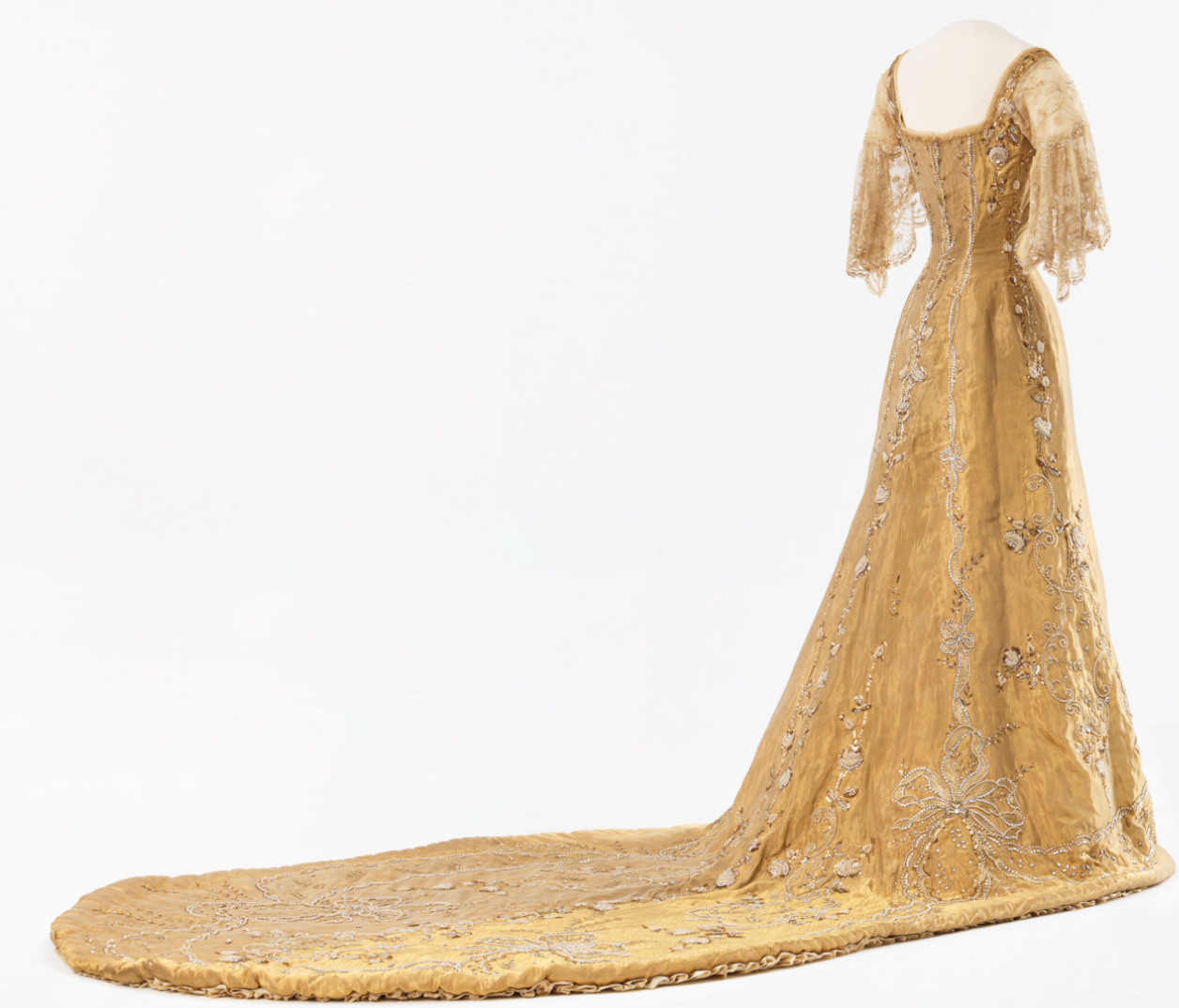
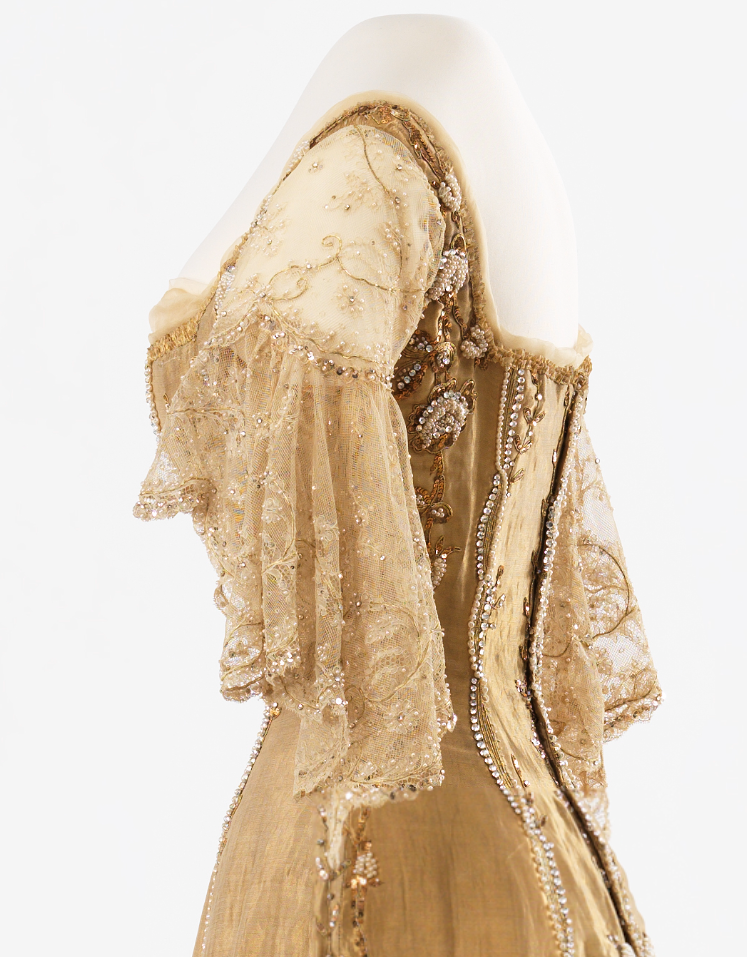
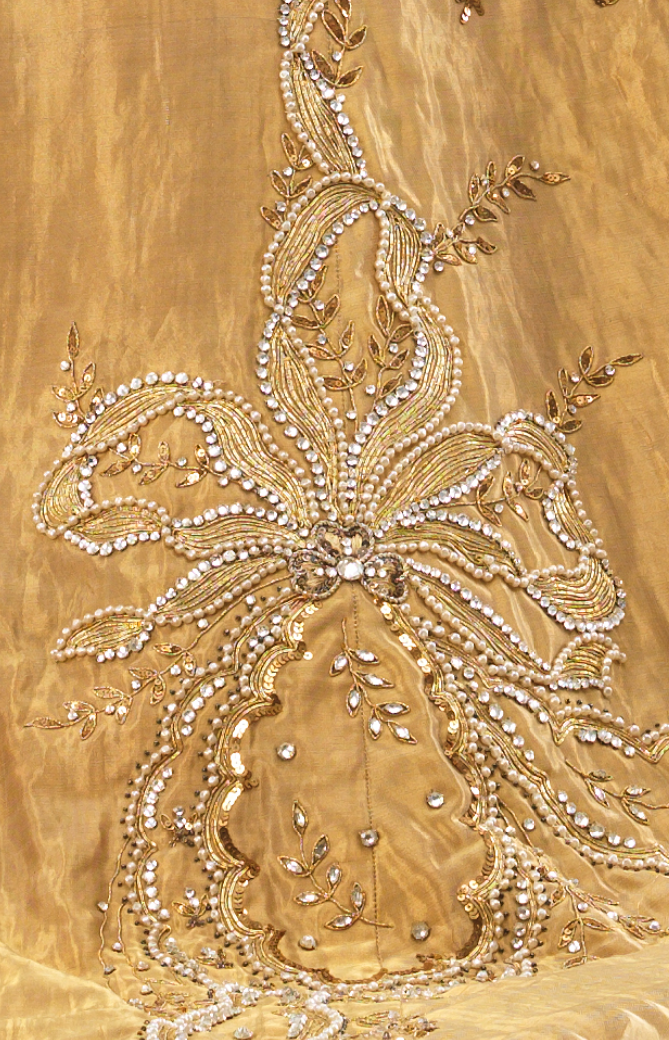
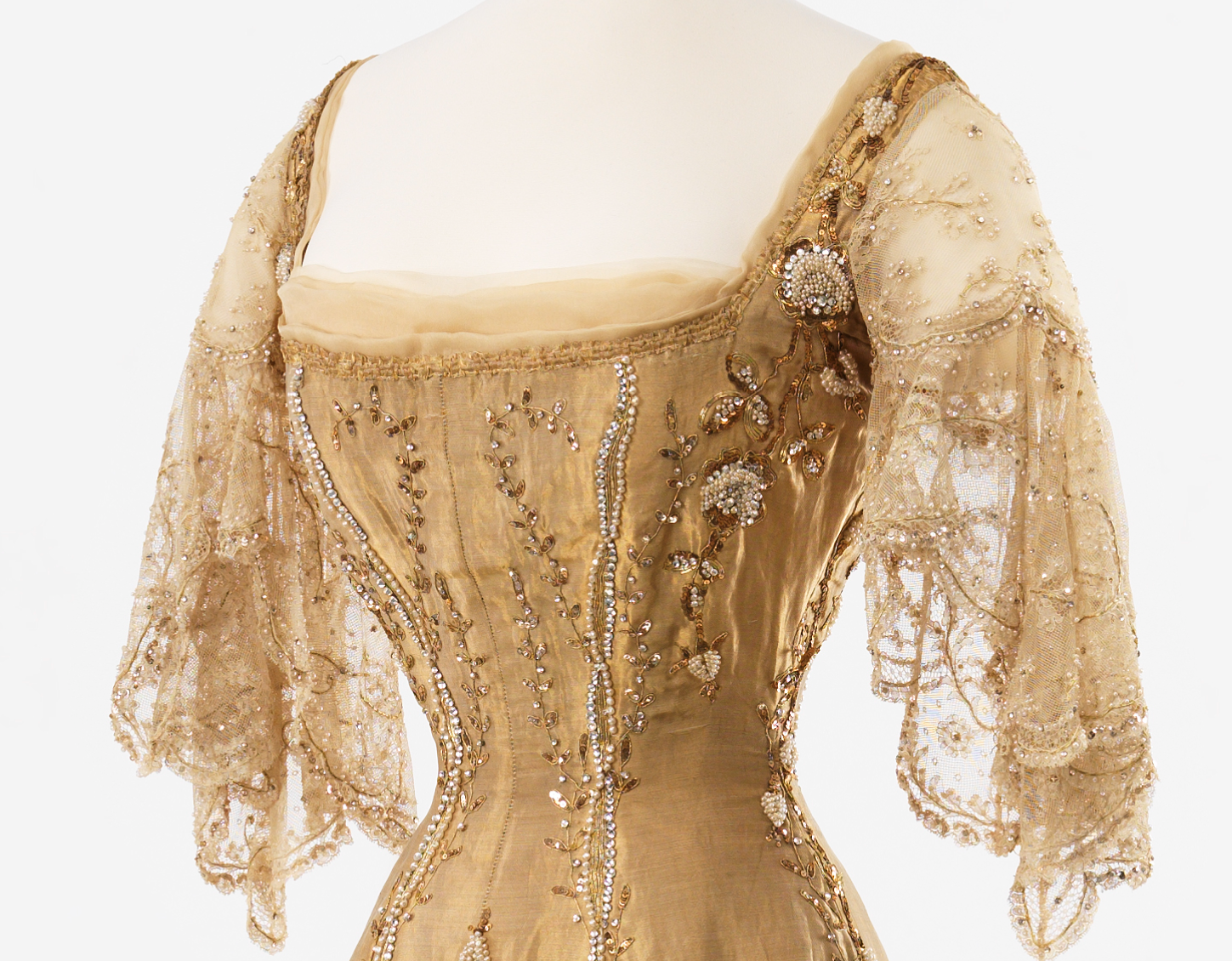
Queen Maud broke with tradition when she selected a coronation gown without Norwegian symbols; the two previous queens had worn gowns adorned with the Norwegian lion. Instead, she chose a gown of gold-colored silk lamé, cut in the elegant princess style with scalloped lace sleeves. The dress is richly decorated with floral and ribbon motifs, embroidered in gilt metal thread and adorned with gold-colored sequins, artificial pearls, and diamante. As the images show, it was a truly regal ensemble—worthy of a queen.
The dress is widely believed to have been made by Vernon of London and embroidered by Silkehuset of Kristiania, Norway. A Vernon label is sewn inside the belt, and for several years, Silkehuset proudly displayed a sample of the dress’s embroidery, calling it their ‘pride and joy.’
At the time, an article in The Sphere (30th June, 1906) reported that the dress was sewn in London but embroidered in Norway. However, Norwegian press accounts stated that Silkehuset had sewn the dress using fabric from Lyon and had only created an embroidery sample, while the actual embroidery was done by a well-known Parisian fashion house.
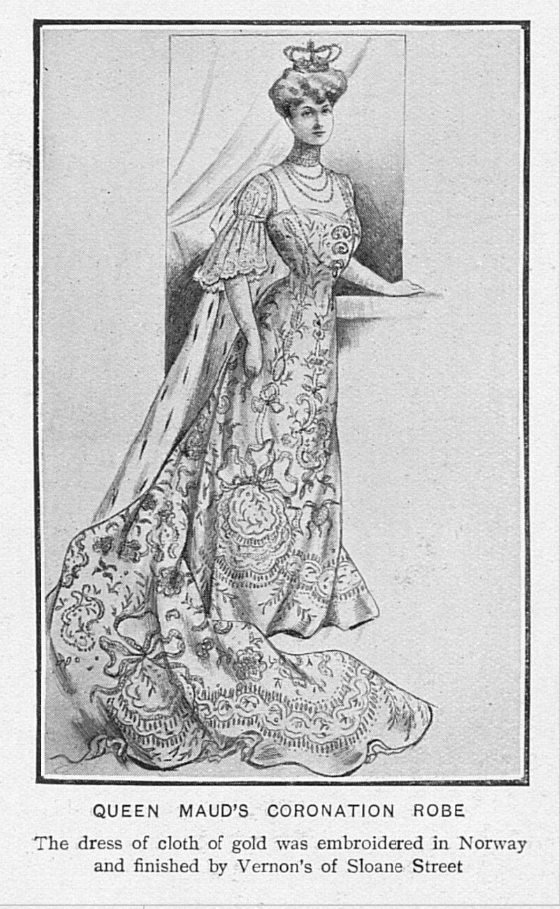
If this is true, it suggests that Maud may have sent her gown to Vernon’s for alterations, leading them to add a label to a dress they didn’t originally make. However, regardless of the exact details, we can be certain that there was collaboration between Queen Maud’s two homes—Great Britain and Norway. In 2005, The Guardian described the dress as a “masterpiece of couture and politics—a complicated collaboration between a Norwegian fashion house and a London court dressmaker.”

The coronation robe that Maud wore over her dress dates back to the mid-1800s. It was originally made for Queen Josephine, the wife of King Oscar I of Norway and Sweden. Nearly 4 meters long, the robe is crafted from rich red velvet, embroidered with crowns and trimmed with ermine.
Made by Swedish furrier Frans Willibald Hellbacker, the robe required 1,500 Siberian stoats to provide the fur around the collar, front, and underside of the train. The black spots visible in the white fur are the ermine tails
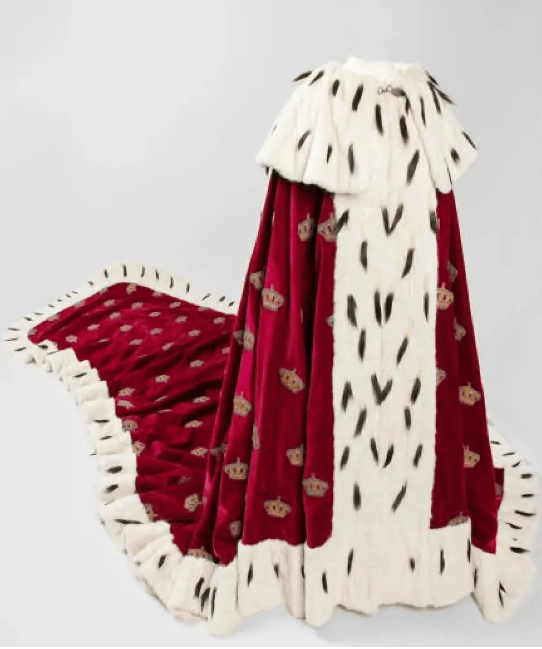
Josephine, the granddaughter of Empress Joséphine (wife of Napoleon) and a Catholic, had been promised religious freedom when she moved to Sweden and Norway. However, when the question of her coronation arose, strong objections were raised against crowning a Catholic queen. As a result, Josephine and King Oscar I were crowned only in Sweden, and she never had the chance to wear her robe.
The robe was then worn by two other queens—Louise in 1860 and Sophia in 1873—before Queen Maud became the first queen of the newly independent Norwegian monarchy to wear it. She was also the last, as Norway abolished coronation ceremonies in 1908.
The dress was featured in an exhibition at the V&A Museum in 2005, titled Style & Splendour: Queen Maud of Norway’s Wardrobe 1896-1938. The exhibition showcased numerous beautiful gowns and other items from Maud’s well-preserved wardrobe. Members of both the British and Norwegian royal families attended a preview, including Queen Sonja, who can be seen here with Maud’s coronation gown.

The Coronation of King George VI
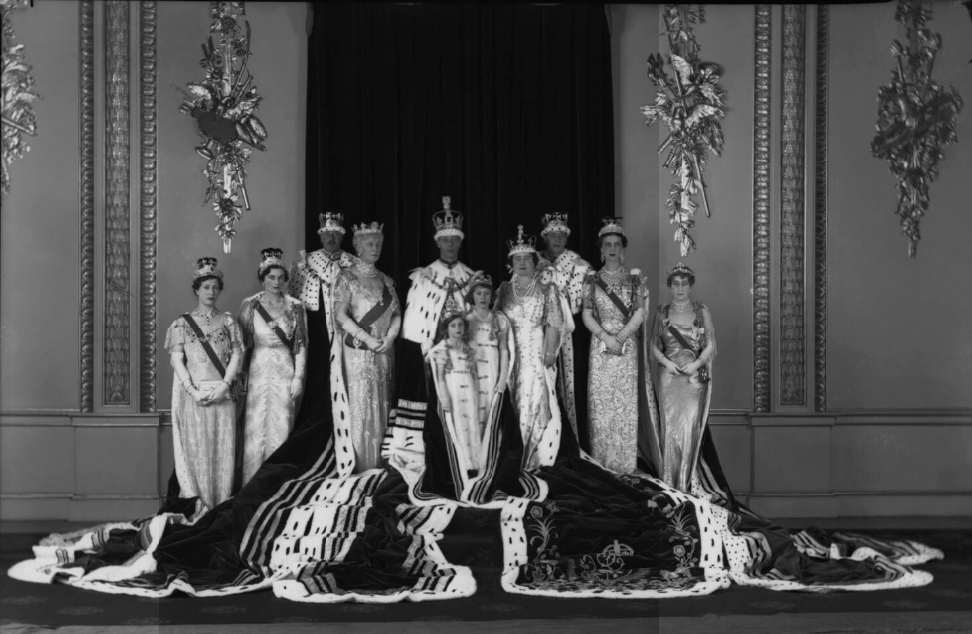
Maud attended the coronation of her nephew, George VI, on 12th May 1937, along with her son, Crown Prince Olav, and his wife, Crown Princess Märtha. Her husband did not attend, following the established etiquette that reigning monarchs do not attend the coronations of other monarchs.
Held at Westminster Abbey, it would be her last public appearance in Britain.
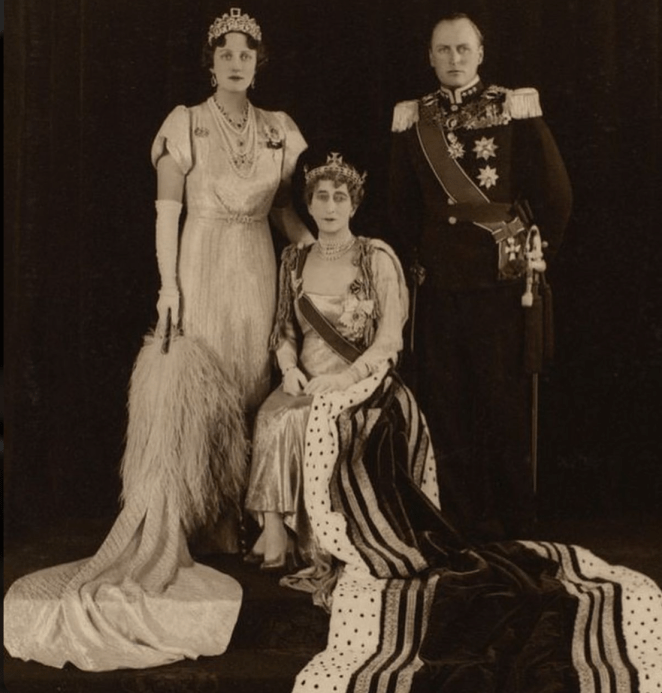
For this occasion, Queen Maud selected a dress made from gold lamé with a subtle pale pink hue. The dress featured elbow-length sleeves of pink chiffon, embroidered with golden beads and edged with gold fringing. Its bias-cut skirt began at a point on the front of the bodice and extended into a long train at the back.
Based on notes from Queen Maud’s dresser, it is believed that the dress was created by the House of Worth. It is also thought that Maud wore it to a state banquet at Buckingham Palace on 10th May, held to celebrate the forthcoming coronation. Maud had accompanied Queen Mary to the celebration, as she was staying with her sister-in-law at Marlborough House for the duration.
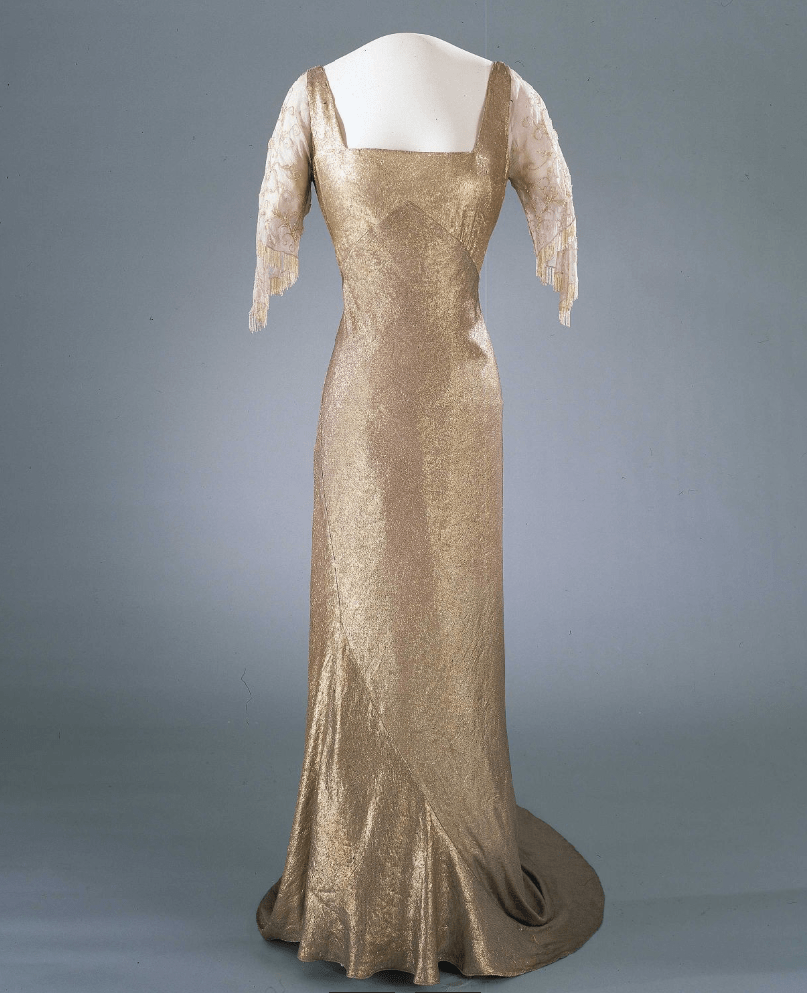
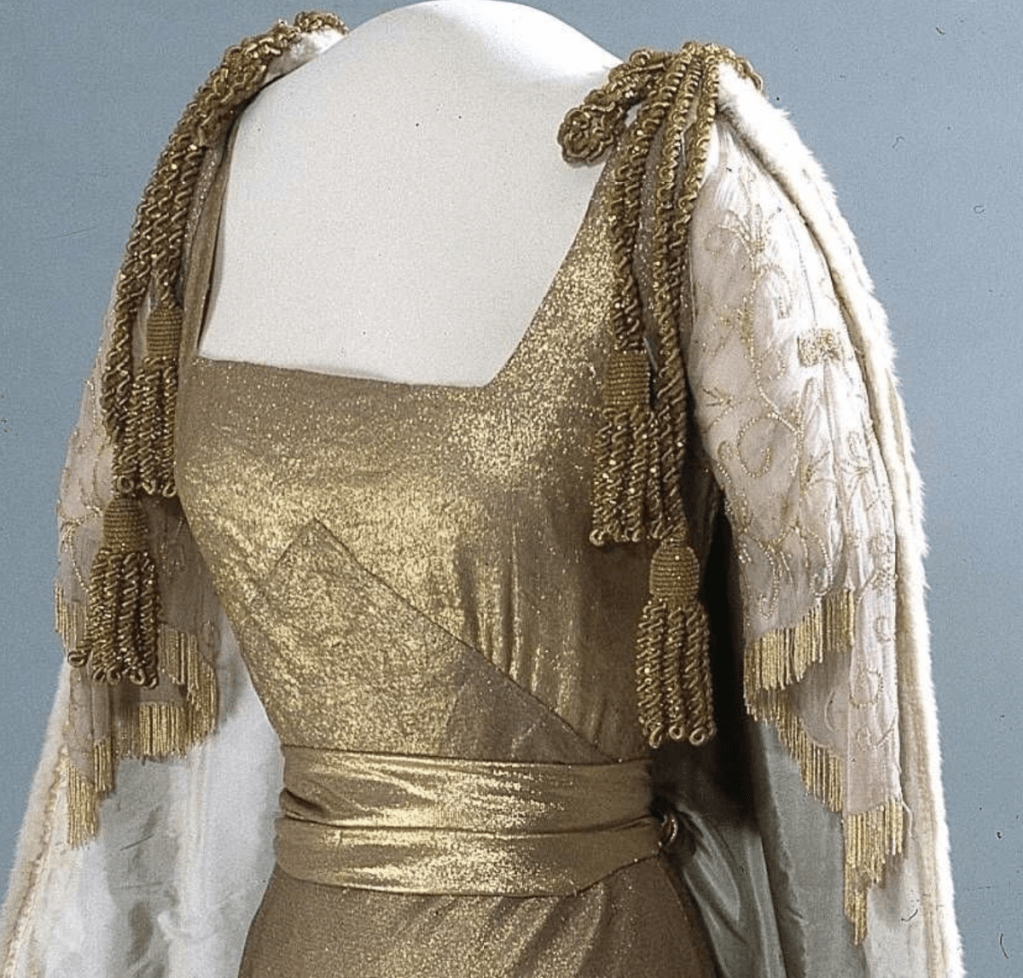
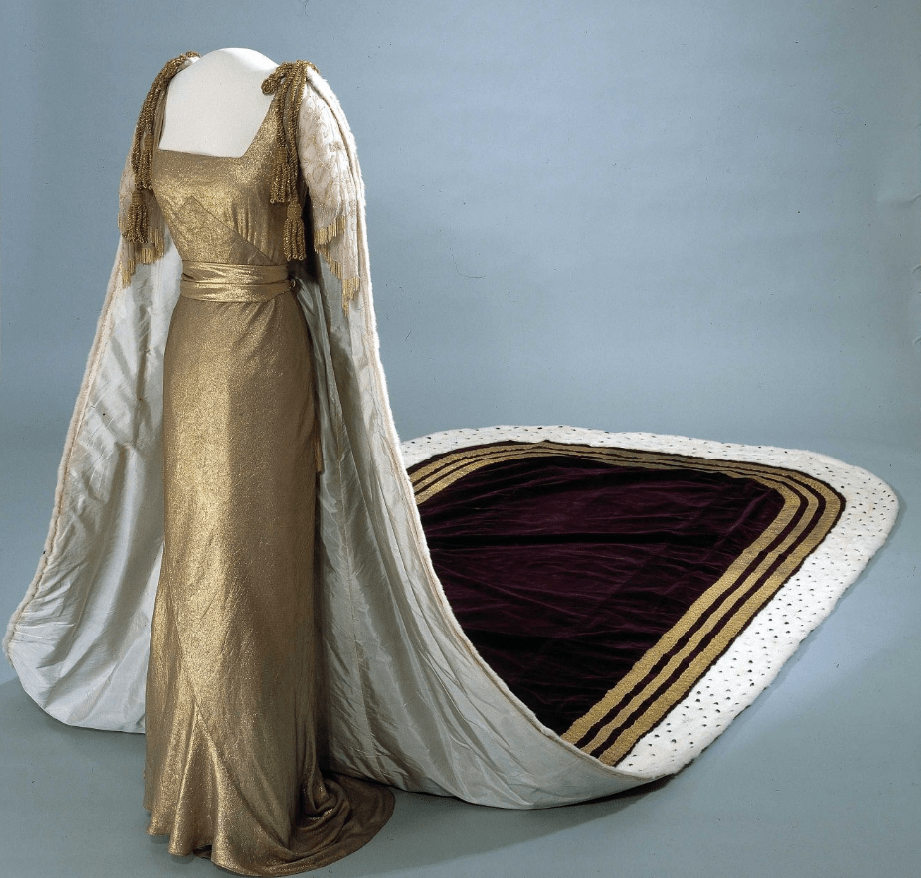
In their coronation edition on 13th May, The Times described Maud’s gown:
The Queen of Norway’s gown was cut on princess lines and was of shot lame in gold and pale cyclamen-pink. The hanging sleeves of cyclamen chiffon were delicately embroidered with fine gold leaves.
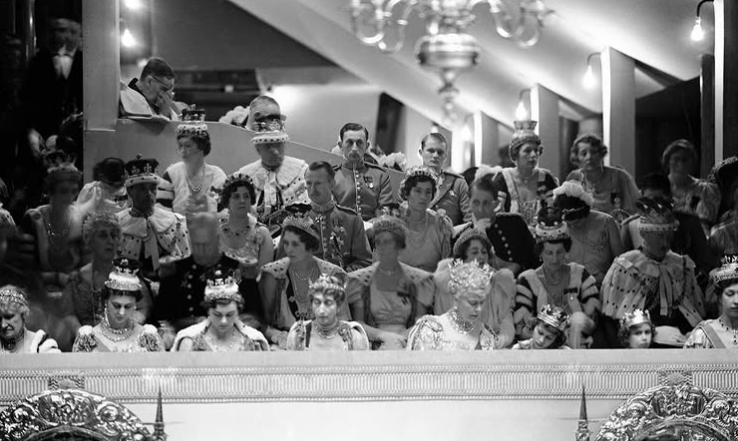
When she attended British ceremonies, such as this one, Maud took part as a British princess not a Norwegian queen, and so, with her dress, she also wore the same ermine-trimmed ceremonial robe that she had previously worn to her parents’ coronation in 1902.
She was also seated in the front row of the royal box in the Abbey, alongside Queen Mary, The Princess Royal, and the future Queen Elizabeth II.
The robe was made of purple velvet, trimmed with gold lace and ermine, and lined with white silk. It was created by Ede & Ravenscroft and, according to their records at the time, cost 96 guineas. This price included red velvet for her princess crown at 15 shillings and a lacquered storage box, with her name painted in gold, which cost 2 pounds, 7 shillings, and sixpence.
At the time of purchase, she was entered into their records as H.R.H. Princess Charles of Denmark, though this was later amended to Queen Maud of Norway.

Formally established in 1689 in Aldwych by William and Martha Shudhall, Ede & Ravenscroft remains in business today. They have long been a trusted tailor of ceremonial robes for the British Royal Family, with a history dating back to April 1689, when they were commissioned to make the coronation robes for William III and Mary II. They also crafted ceremonial robes for George III and Queen Victoria.
The company adopted its current name in 1902, when the business was inherited by Joseph Ede, who then merged it with the wig makers Ravenscroft. That same year, they produced not only Queen Maud’s robe but also the coronation robes of Edward VII and Queen Alexandra. For the 1937 coronation, they supplied robes for the Dukes of Gloucester and Kent, Princess Mary, and the young princesses, Elizabeth and Margaret.
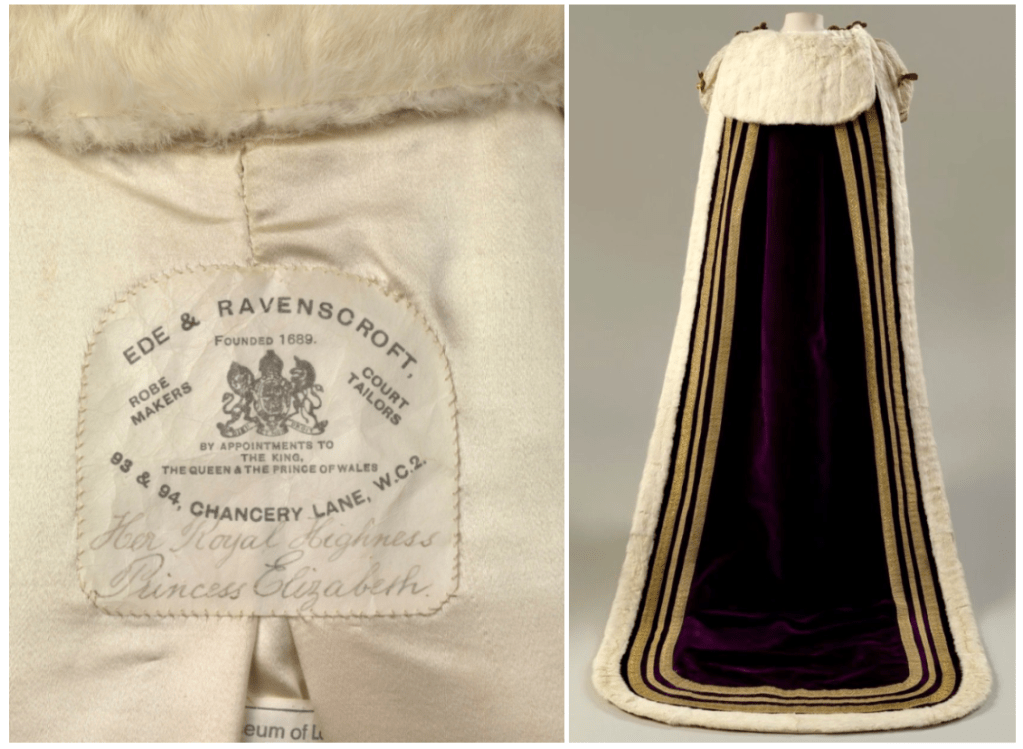
Today, they hold a royal warrant as robemaker to King Charles III.
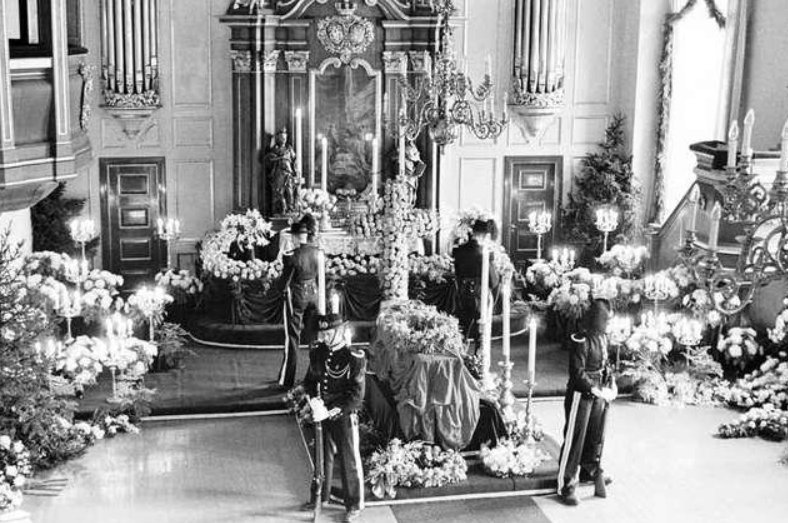
Sadly, Queen Maud passed away unexpectedly from heart failure on 20th November 1938—the 13th anniversary of her mother’s death. She had been visiting London when she fell ill and underwent abdominal surgery. Although she survived the operation, she passed away four days later.
Her body was transported back to Norway aboard HMS Royal Oak and laid to rest in the royal mausoleum at Akershus Castle. Her husband, King Haakon VII, continued to reign for another 19 years.
Though Queen Maud’s life was cut short, her legacy endures, not only in the present Norwegian monarchy but also through her remarkable wardrobe. A woman of elegance and refinement, she had a keen eye for fashion, and thanks to the foresight of her son, King Olav V, much of her clothing collection has been preserved. Today, her gowns, including those worn at significant royal events, offer a fascinating glimpse into both her personal style and the craftsmanship of the era. Many of these garments are now housed in the National Museum of Norway, ensuring that Queen Maud’s influence on fashion and royal history continues to be appreciated by future generations.

Note: If you can get hold of a copy of Style and Splendour: The Wardrobe of Queen Maud of Norway 1896-1938 by Anne Kjellberg and Susan North, then I highly recommend you do! It is often out of stock, but I managed to get a second hand copy.
 Mistress of the Robes