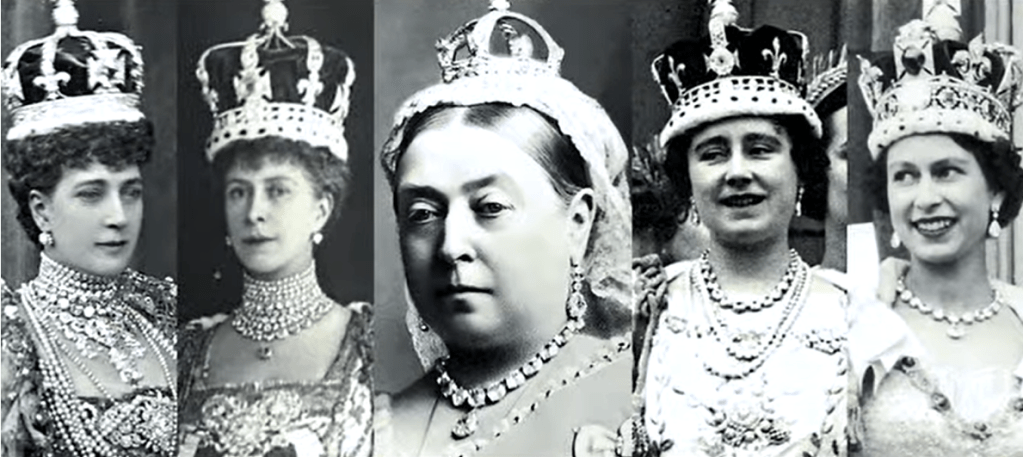
On this day in 1953, the coronation of Queen Elizabeth II took place in Westminster Abbey. The first such ceremony to be televised, it gave her subjects the rare opportunity to see their new monarch resplendent in the robes and jewels of state — including the impressive Coronation Necklace and Earrings.
Of all the stunning tiaras in the royal vault, there was one which Queen Elizabeth II favoured above all the others. The Vladimir Tiara is one of the most iconic and fascinating pieces of royal jewellery, with a storied history that spans the Russian Imperial family and the British monarchy.
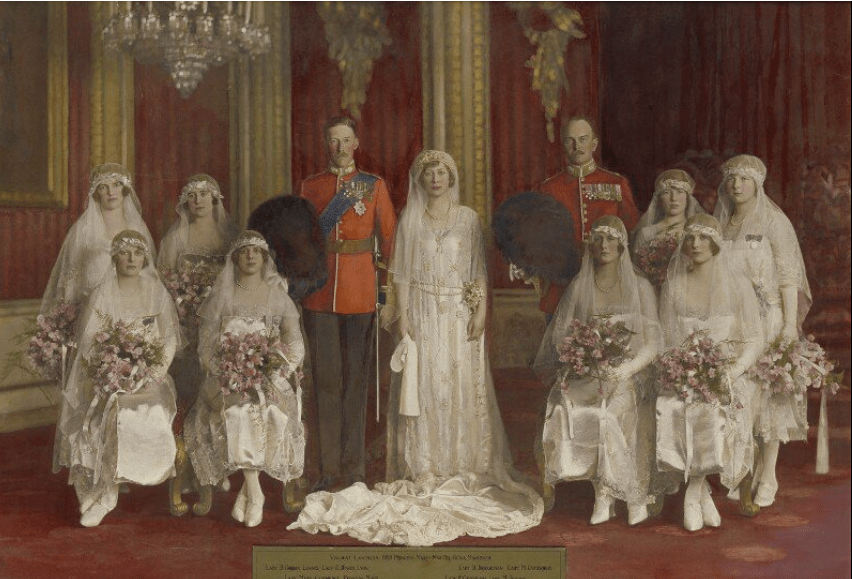
On this day in 1922, Princess Mary, the only daughter of King George V and Queen Mary, married Viscount Henry Lascelles at Westminster Abbey.
Mary and Henry were already acquainted, having moved in similar social circles. However, it was at the Grand National in 1921 that they became closer. Over the following months, their friendship developed, and they met several times at country house parties, including one at Chatsworth – the Duchess of Devonshire was reportedly not surprised by the engagement when the announcement was made. Invitations to Sandringham and Balmoral followed, and, in November, Henry was invited to join the King’s shooting party at Sandringham. It was there, in the woods, that he proposed. Mary’s parents gave their consent, and Queen Mary wrote in her diary:
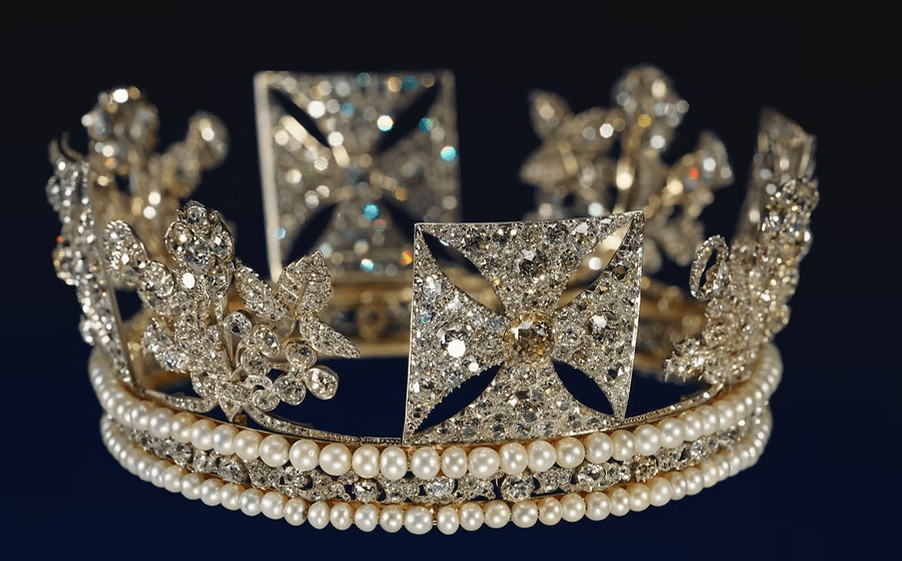
Not quite a tiara, I know! But probably the most well known ‘sparkler’ in the royal collection, and thoroughly worthy of this inaugural ‘Tiara Tuesday’ post.
Instantly recognisable to many as the iconic crown featured on Queen Elizabeth II’s image on coins and stamps, this remarkable piece of jewellery was originally created for the coronation of George IV. It was designed for him to wear over his Cap of Estate during the procession to Westminster Abbey.
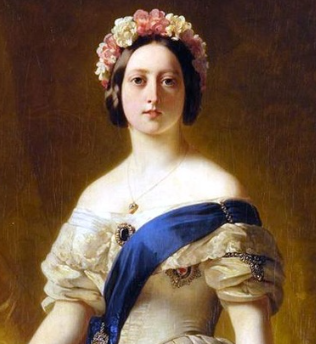
Prince Albert is remembered for many things – his interest in science and farming, his patronage of the arts, and the personal triumph that was the Great Exhibition – but what not enough people talk about, outside of already interested circles, is his fantastic eye for jewels.

 Mistress of the Robes